La Ceiba, Atlántida, Honduras
Brassavola Bilingual School Brassavola Bilingual School
Elective Class & Competitive Teams

Chess at Brassavola

Chess is both an elective learning experience and a competitive pathway where students strengthen strategy, concentration and decision-making.

Back to Programs
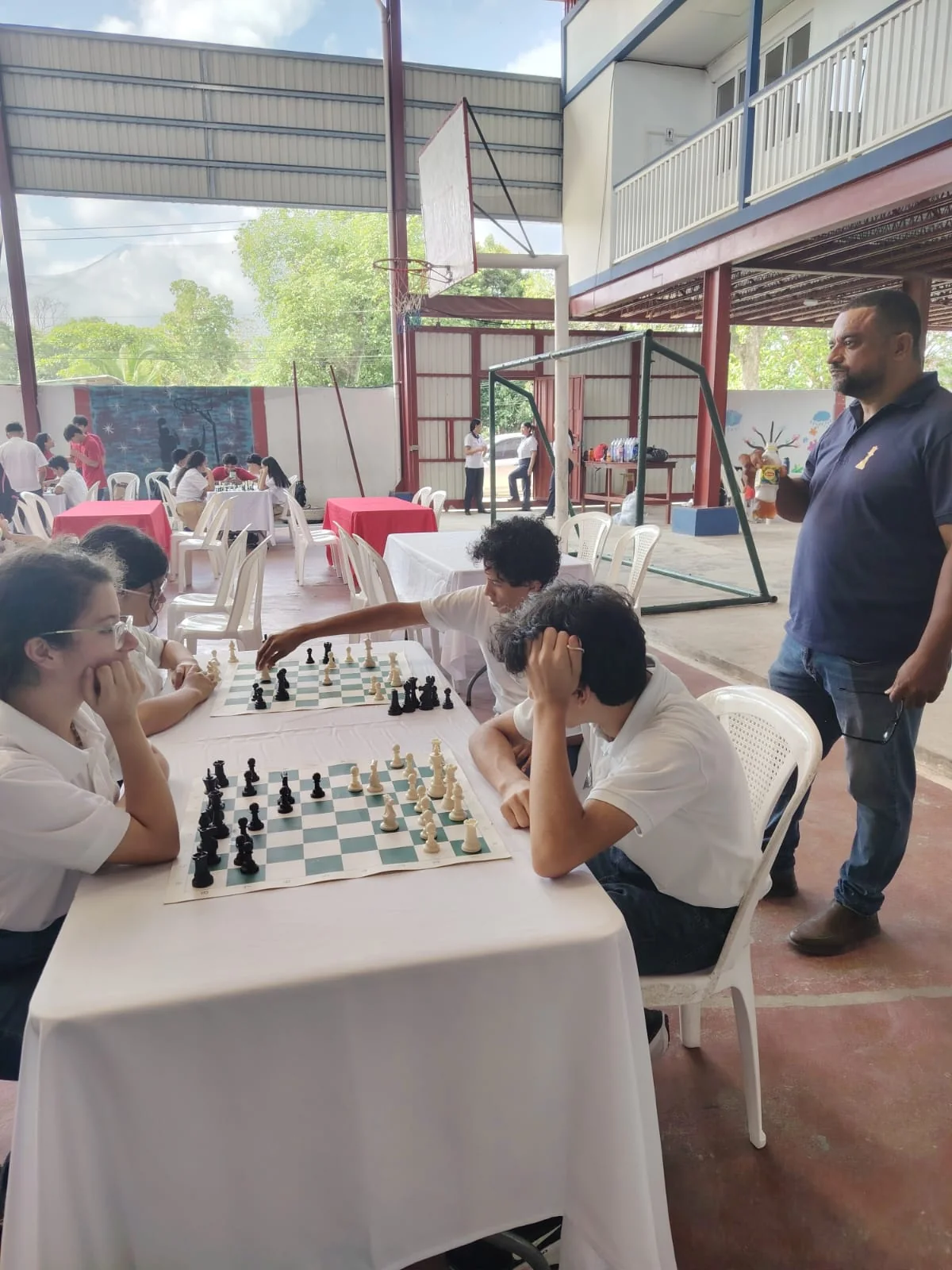
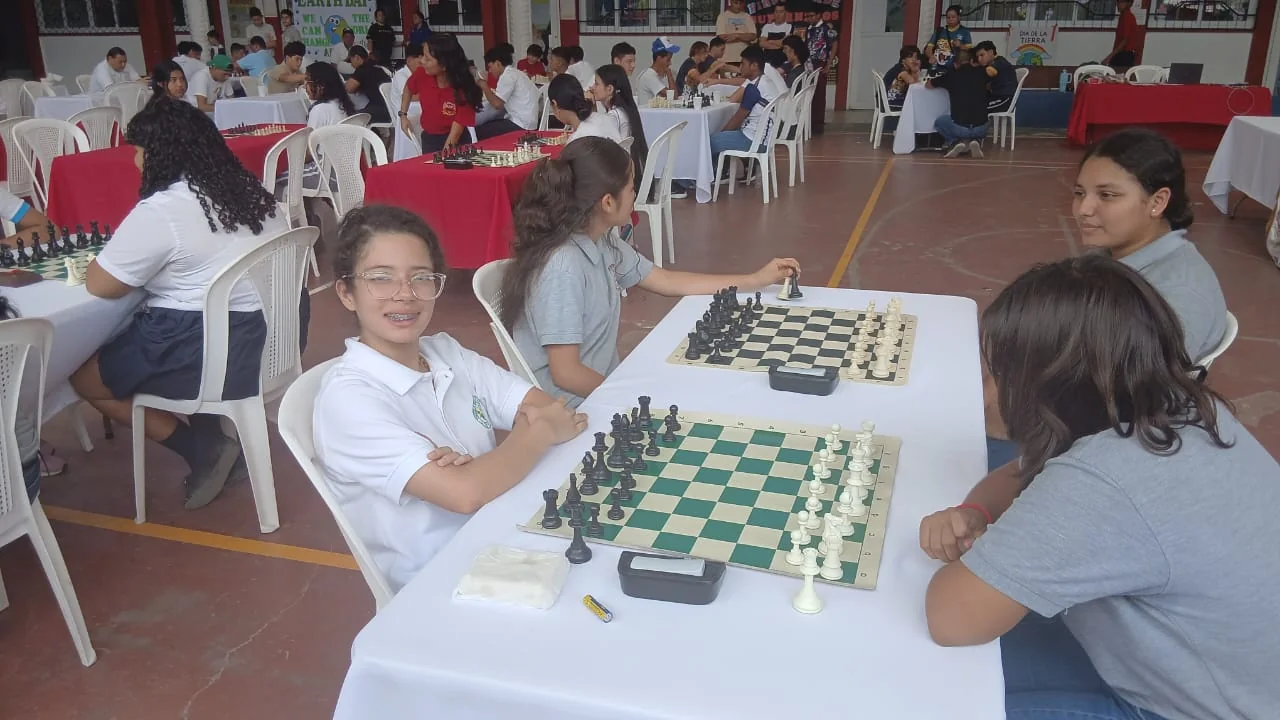
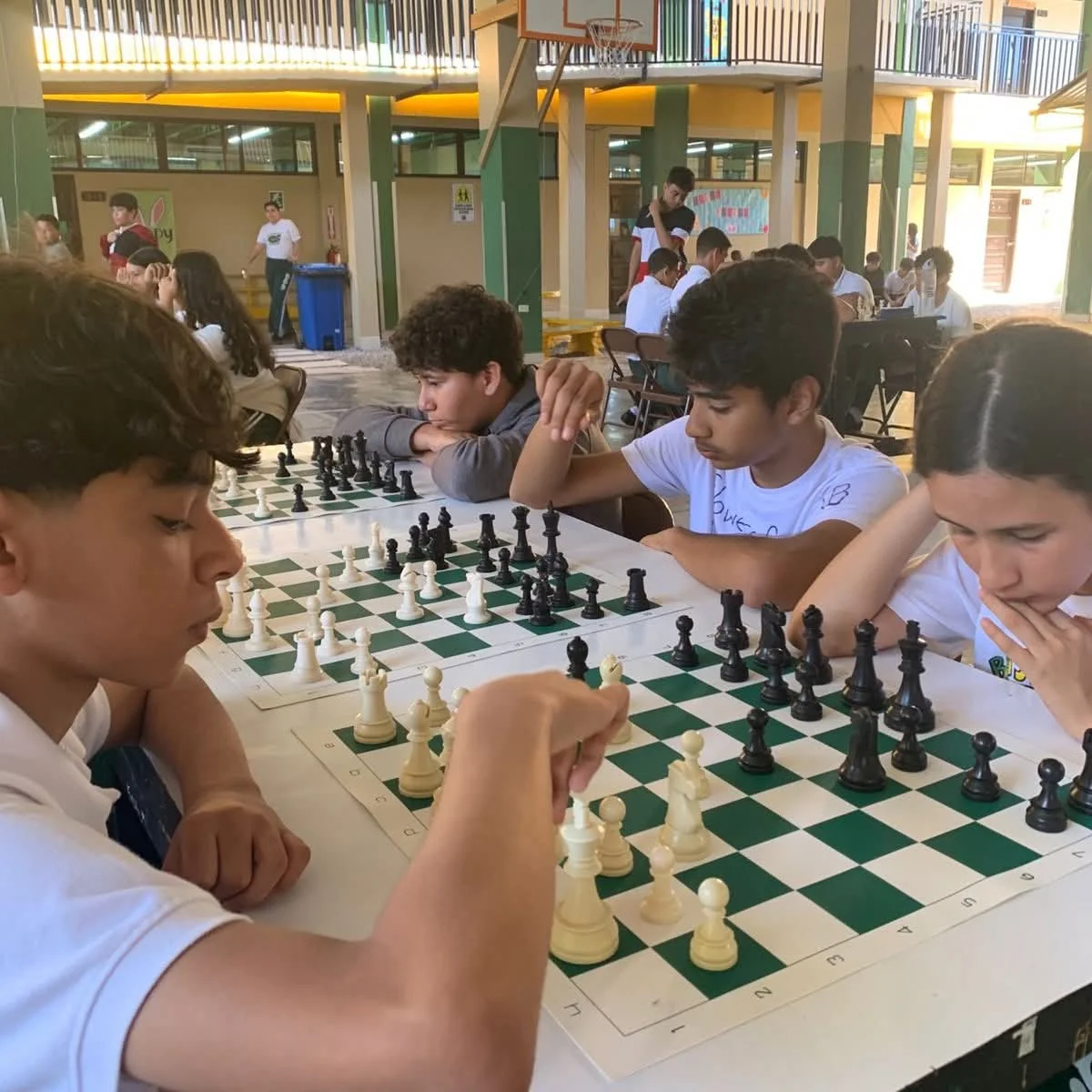
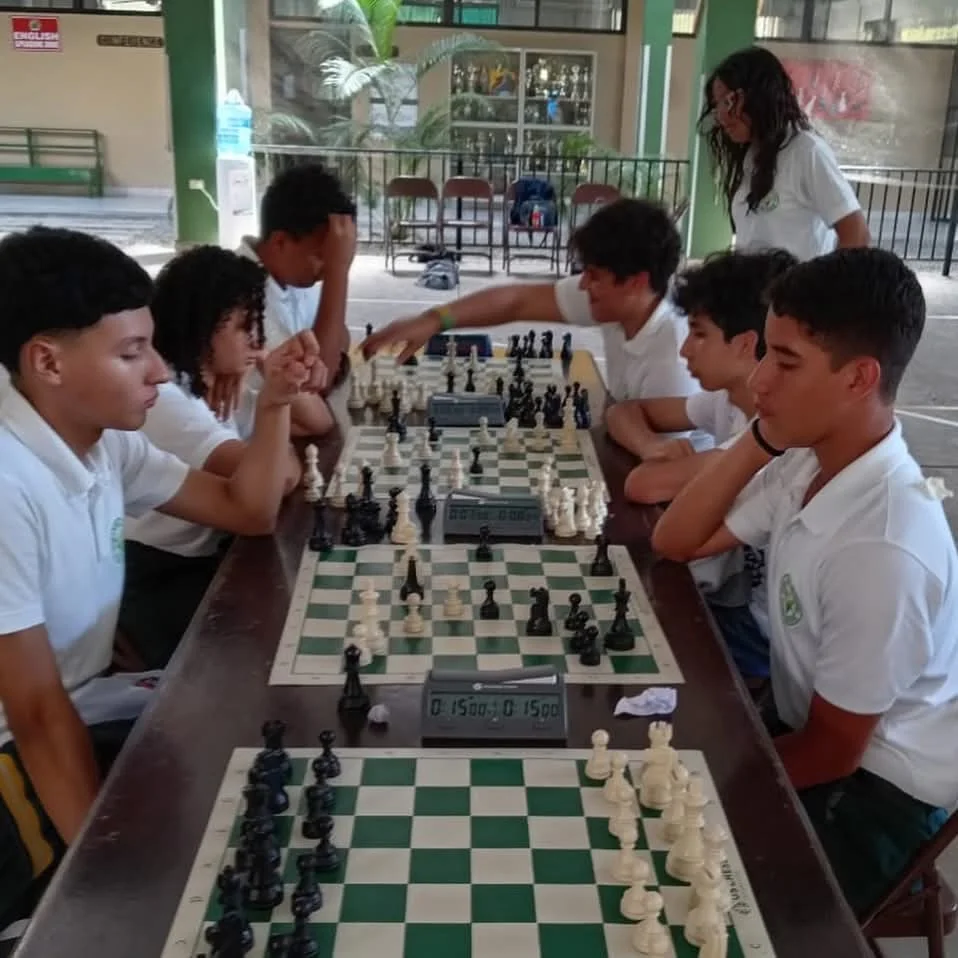
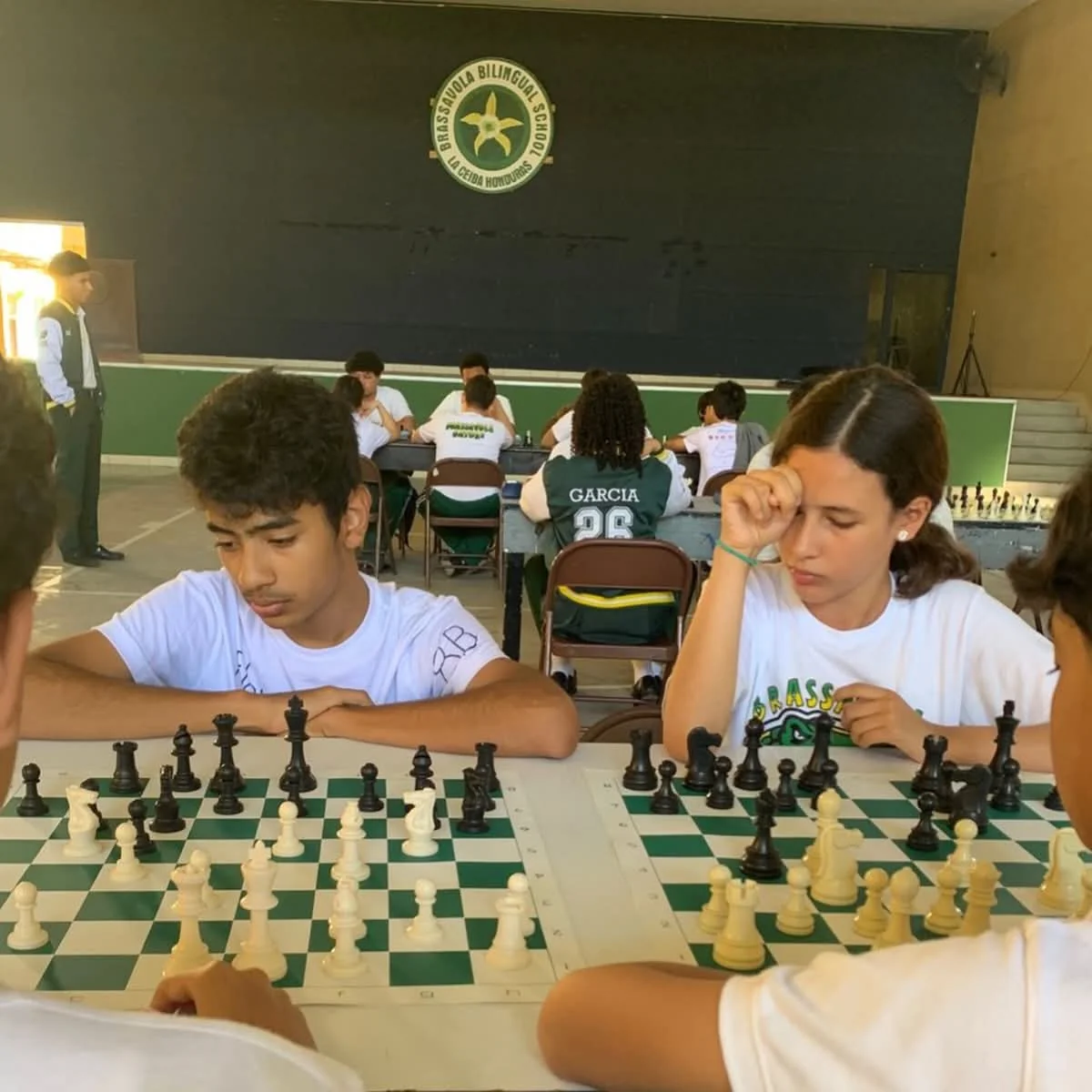
Brassavola students playing chess
Learning & Competition

A program designed to think, practice and compete.

Brassavola offers chess as an elective class and develops age-based teams, from guided learning to competitive play.

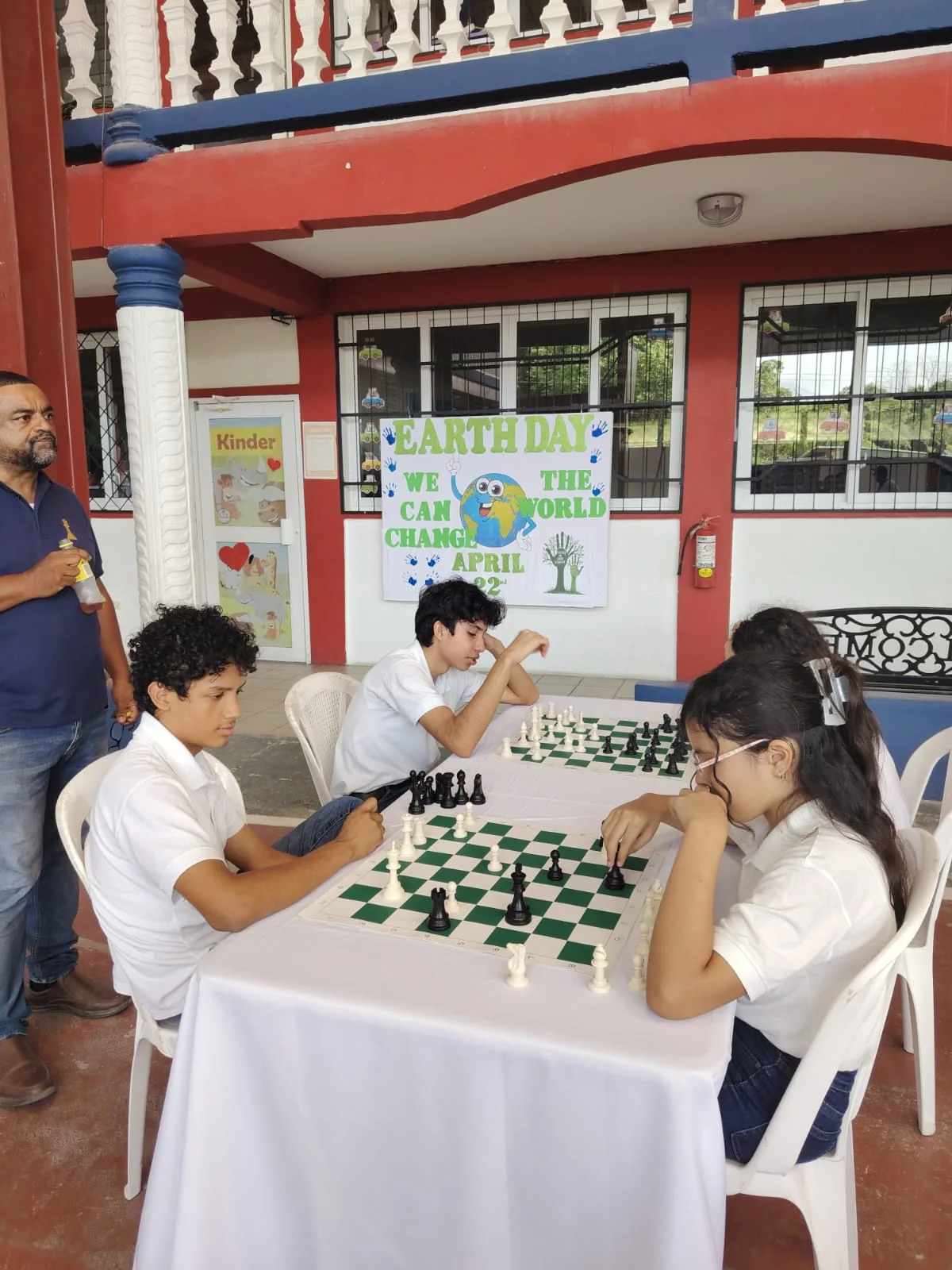
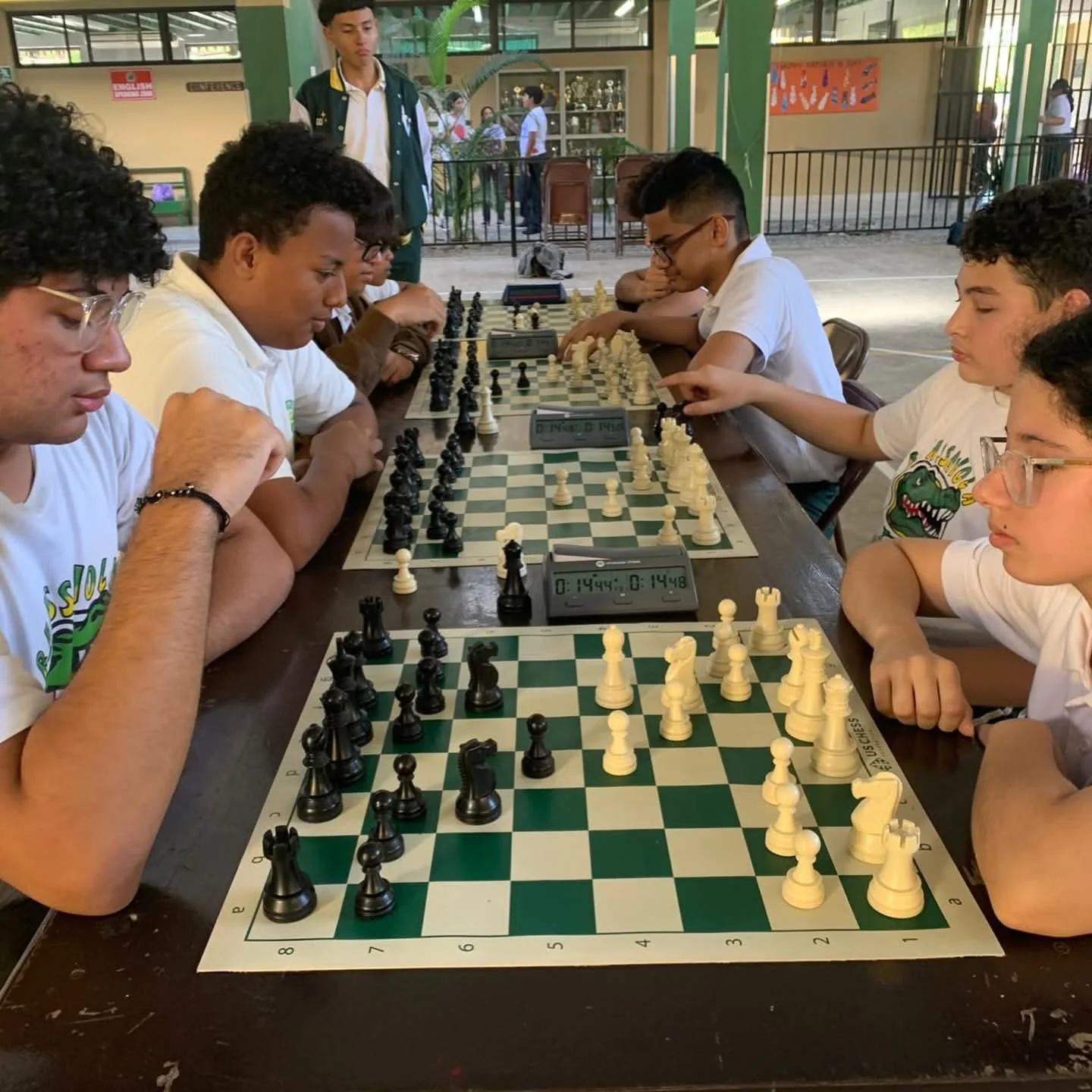
The school has a classroom prepared for chess practice, where students can train with boards, clocks and structured activities. Brassavola participates in competitive events that allow students to test their preparation and represent the school.

Elective classChess is available as part of the elective learning experience.
Dedicated classroomA prepared space for instruction, practice and matches.
Teams by ageStudents can progress into age-based competitive teams.
Competitive experienceStudents represent Brassavola in school and inter-school events.
Why chess?

A workout for the mind — and training for life.

Without screens or physical confrontation, chess asks students to focus, anticipate consequences, manage mistakes and make decisions under pressure.

Mind & Learning

  • Strengthens memory through patterns, positions and recurring ideas.
  • Builds sustained concentration during a complete game.
  • Practices logical thinking, calculation and cause-and-effect.
  • Turns every position into a problem that requires a solution.

Personal Growth

  • Teaches students to learn from mistakes and try again.
  • Rewards patience and self-control instead of impulsive moves.
  • Builds confidence through preparation and better decisions.
  • Provides practice making choices while the clock is running.

Social Skills & Values

  • Promotes respect for the opponent and the rules.
  • Encourages humility when winning and maturity when losing.
  • Makes consequences visible before a decision is made.
  • Team events encourage support, analysis and shared preparation.

School & Future

  • Practices planning with alternatives instead of a single path.
  • Develops the habit of checking before acting.
  • Encourages analysis that can transfer to projects and academic tasks.
  • Trains students to stay with a demanding activity for longer periods.
Age
Main focus
How it helps
6–10
Attention & rules
Students move from acting immediately to thinking before making a move.
11–14
Logic & strategy
They strengthen cause-and-effect thinking, planning and analysis.
15–18
Decisions under pressure
They practice choosing between alternatives while managing time and consequences.
Lessons from the board

Think first. Decide. Accept the result. Improve.

That sequence makes chess valuable at school: students discover that preparation matters, that every decision has consequences and that a mistake can become useful information for the next game.

Sustained attentionA complete game rewards staying focused instead of seeking constant stimulation.
Equal conditionsAge and physical strength do not decide a game; preparation and decisions do.
Learning from mistakesThe goal is not only to win, but to understand why a move worked or failed and improve the next decision.
Tournaments we participate in

From practice to real competition.

Competitive events allow students to represent Brassavola, face new opponents and turn preparation into experience.

Annual30–35 students on average2 categories

Brassavola Summer Chess Tournament

Annual tournament with approximately 30–35 participants in Open and Beginners categories. The second edition was held in 2026.

Approximately 30 to 35 participants on average. Two competition levels: Open and Beginners. The second edition was held in 2026.
La CeibaInter-school3 Brassavola teams

La Ceiba Bilingual Schools Chess Tournament

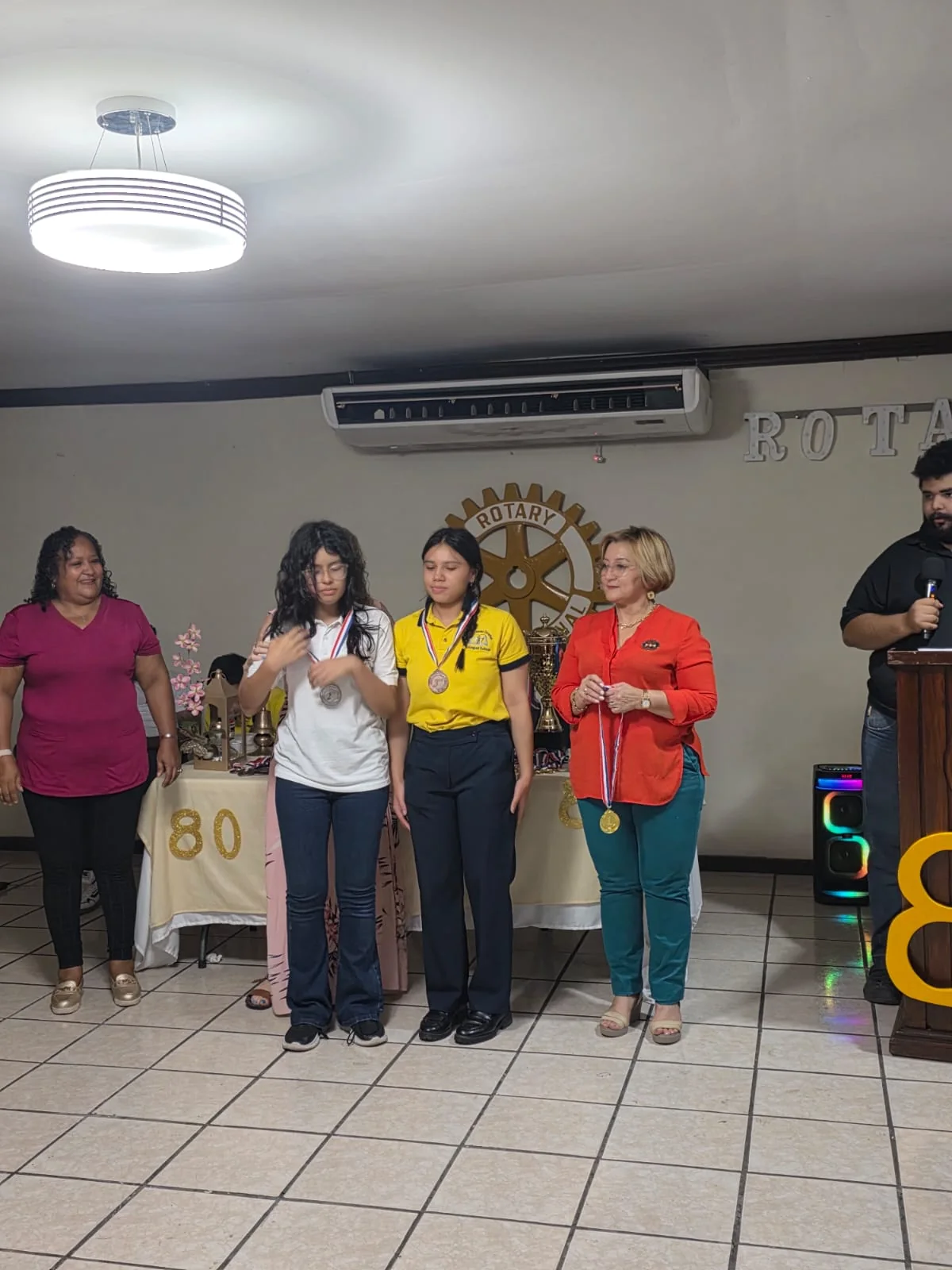
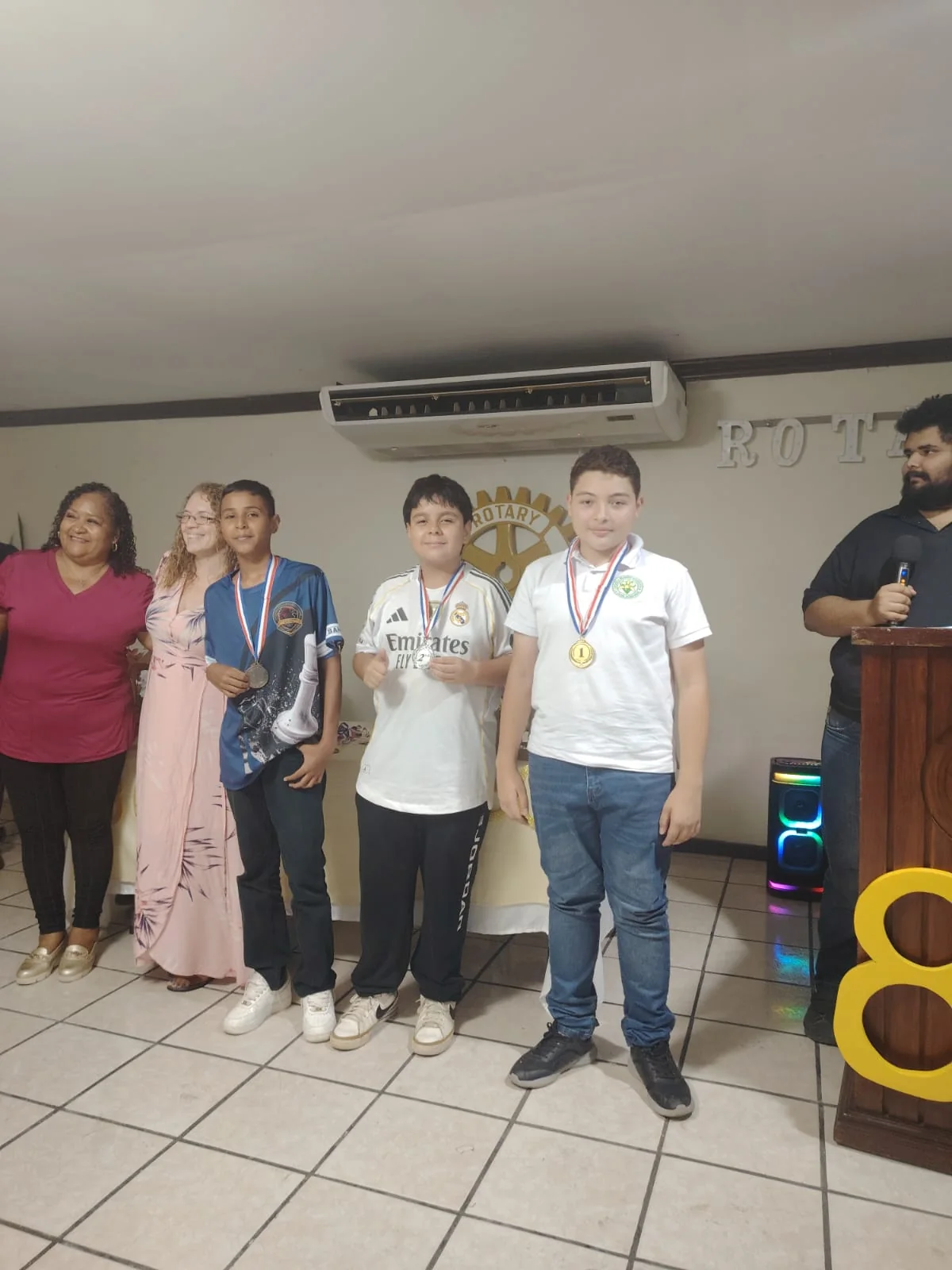
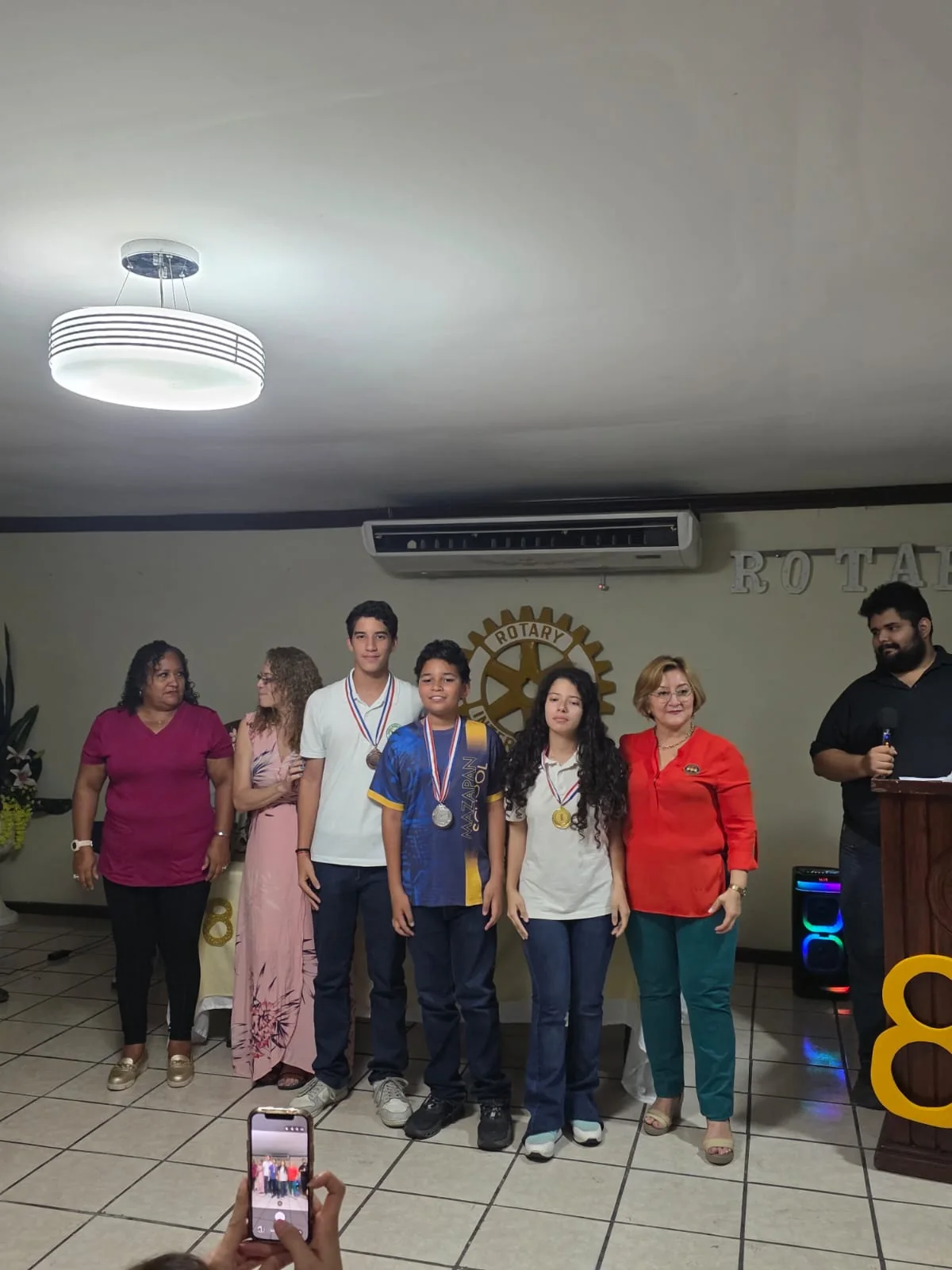
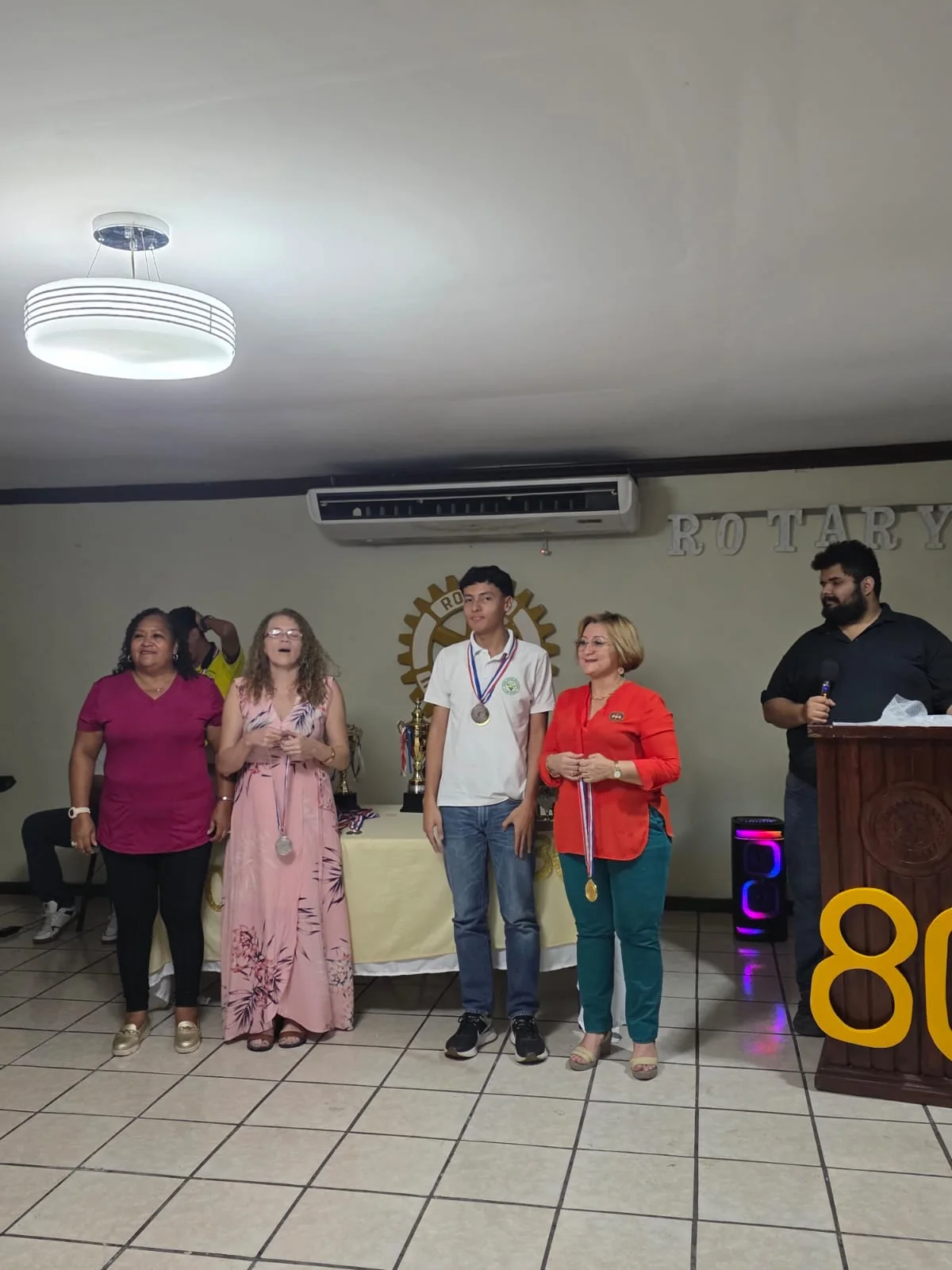
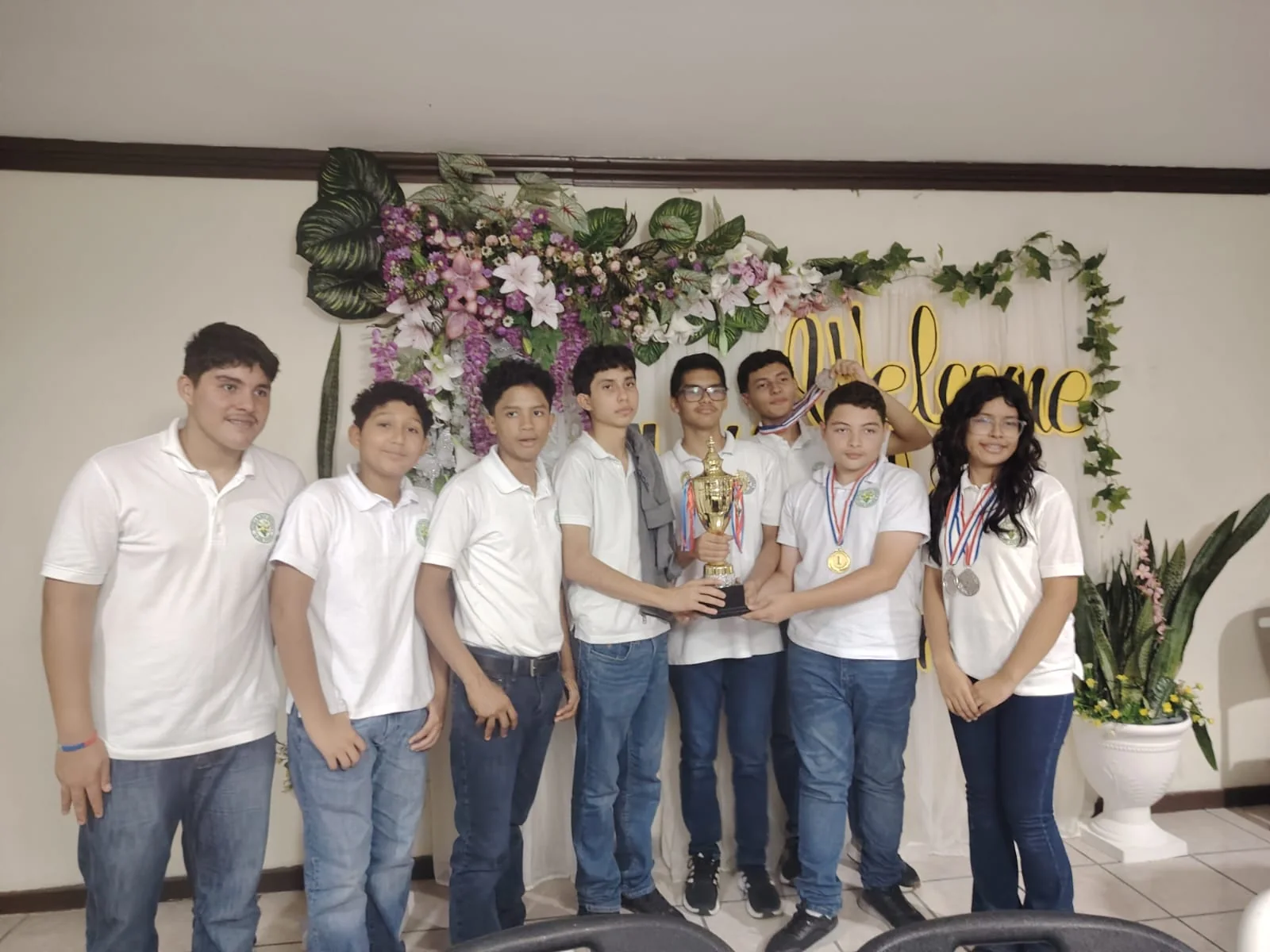
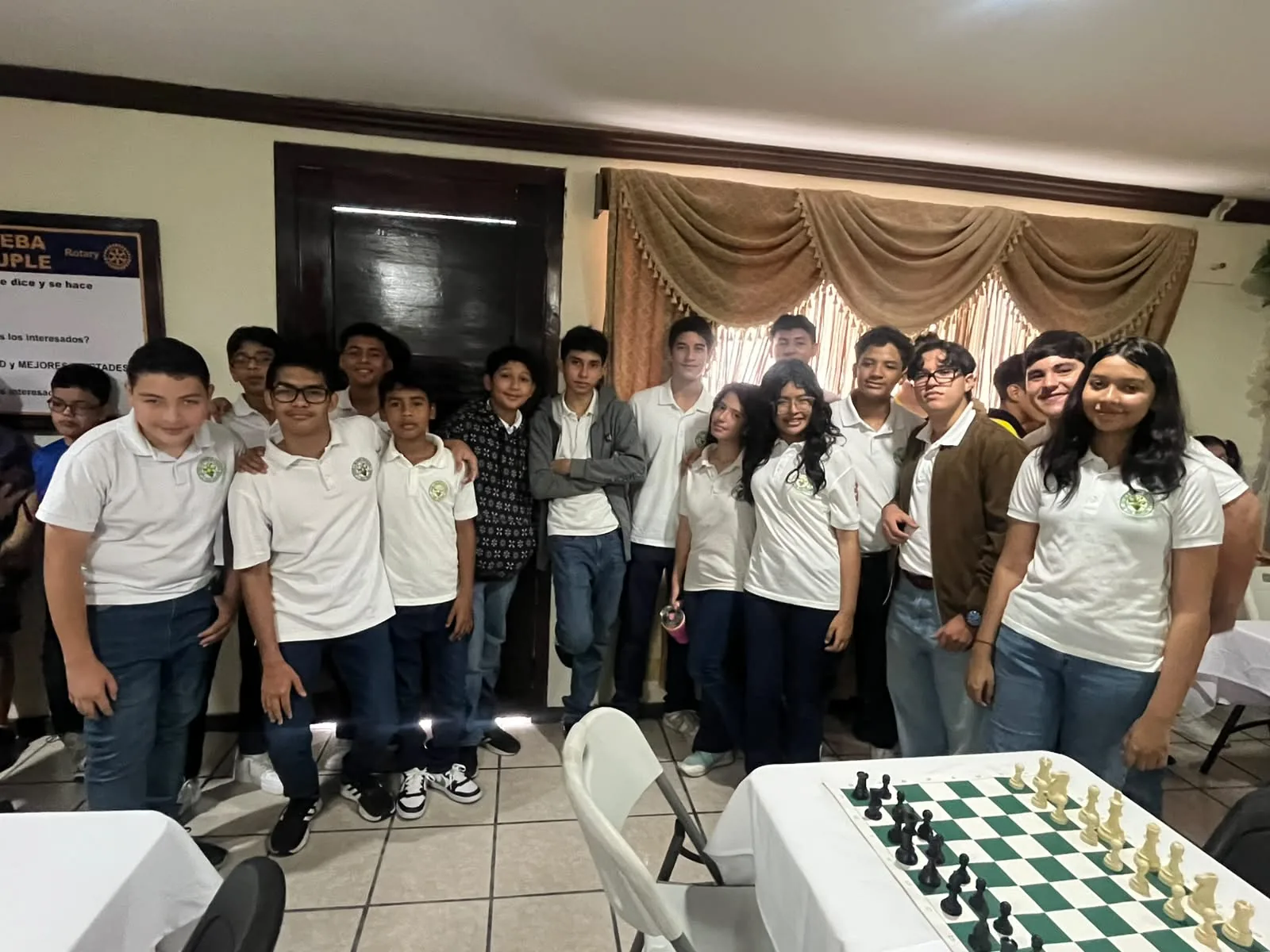
Brassavola stood out by teams and was the only school to present three teams: Middle School, High School and girls.
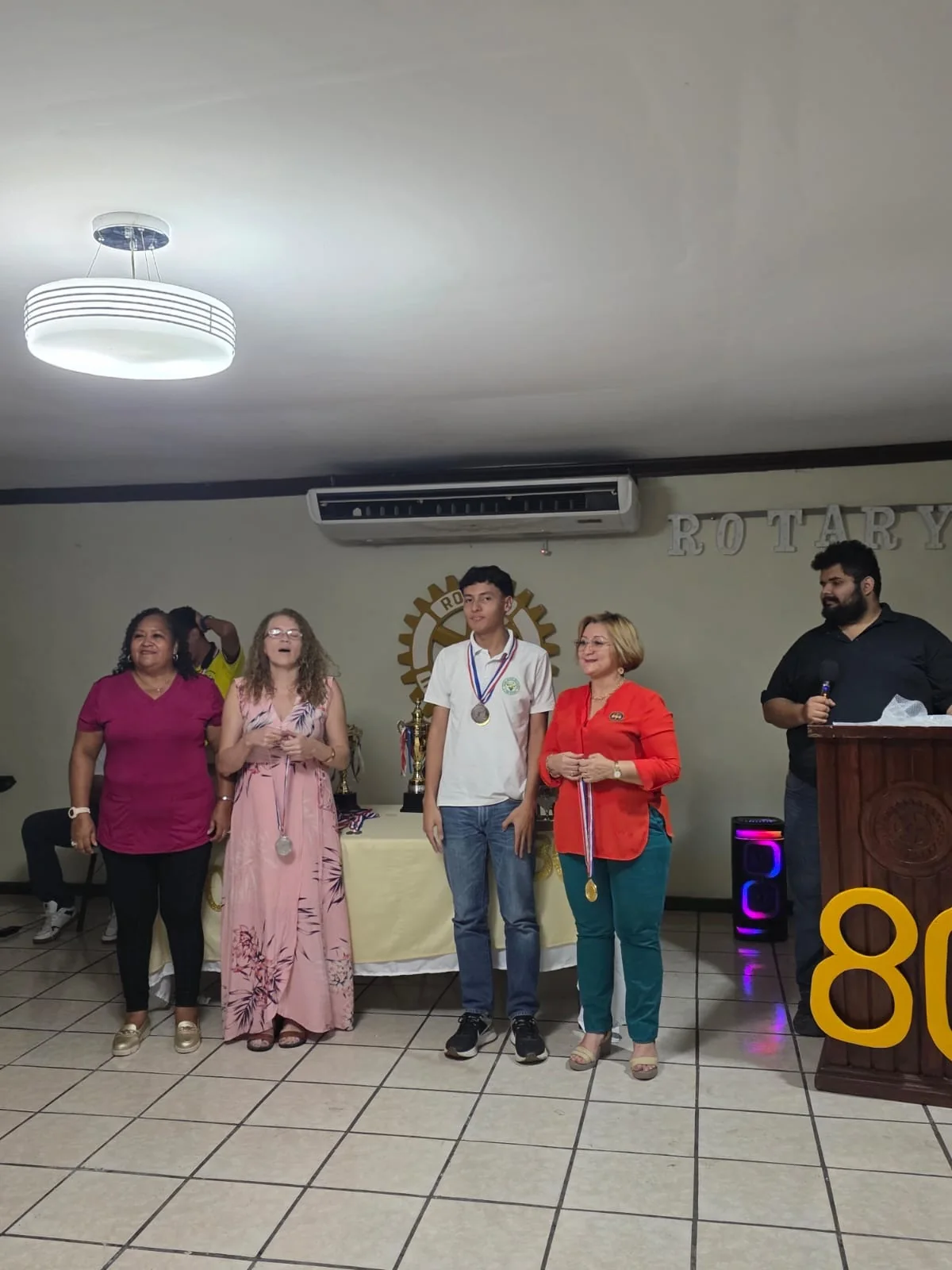
Brassavola won in the mixed team category. Middle School team. High School team. Girls team. Individual girls: Gold — Zoe Cabrera. Individual girls: Silver — María José Santos.
Outstanding results

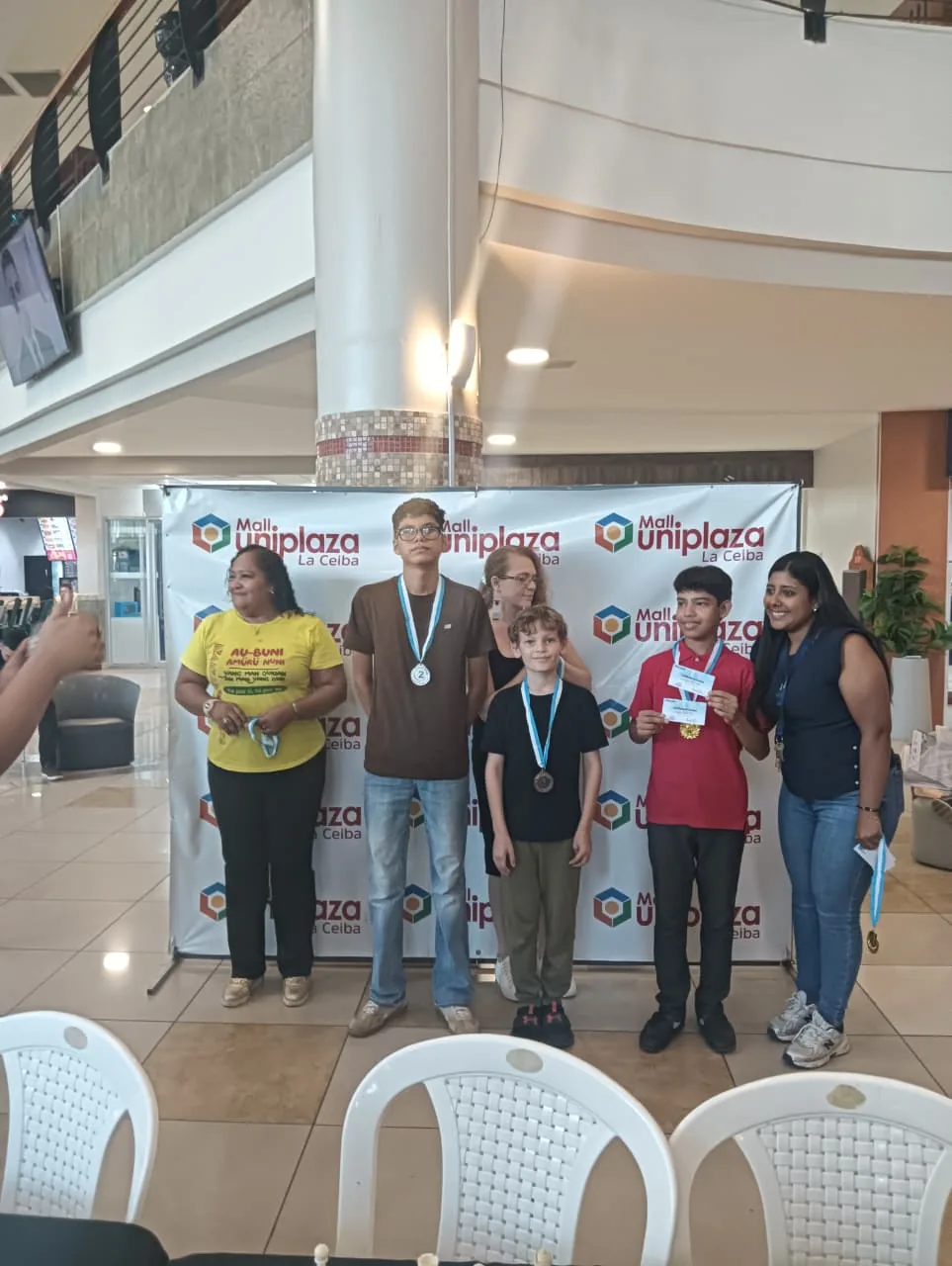
Diego Vallecillo · High School Gold Medal.

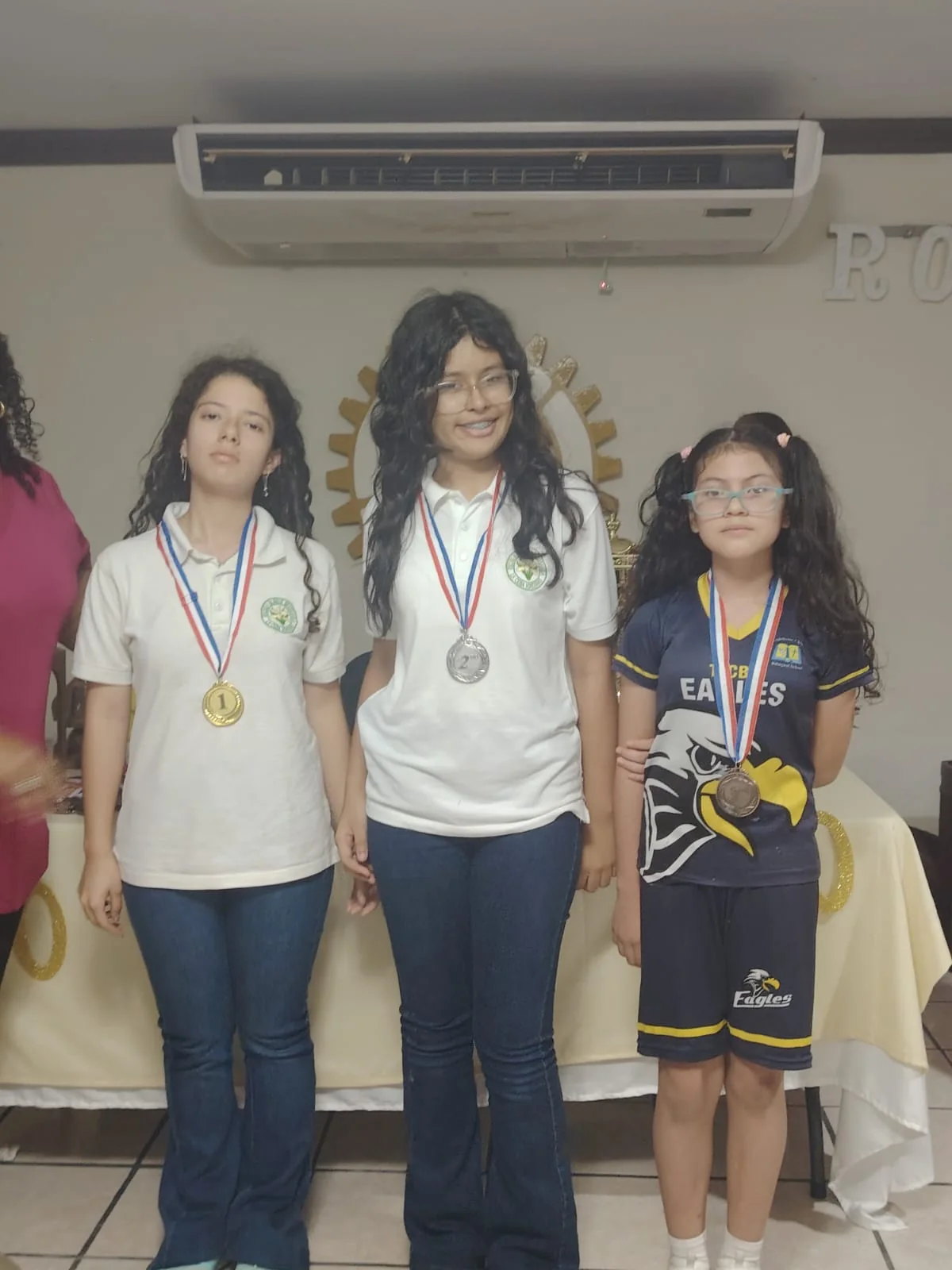
At the La Ceiba Bilingual Schools Chess Tournament, individual girls category: Zoe Cabrera won Gold and María José Santos won Silver. Elías Manun was also among the students who stood out.
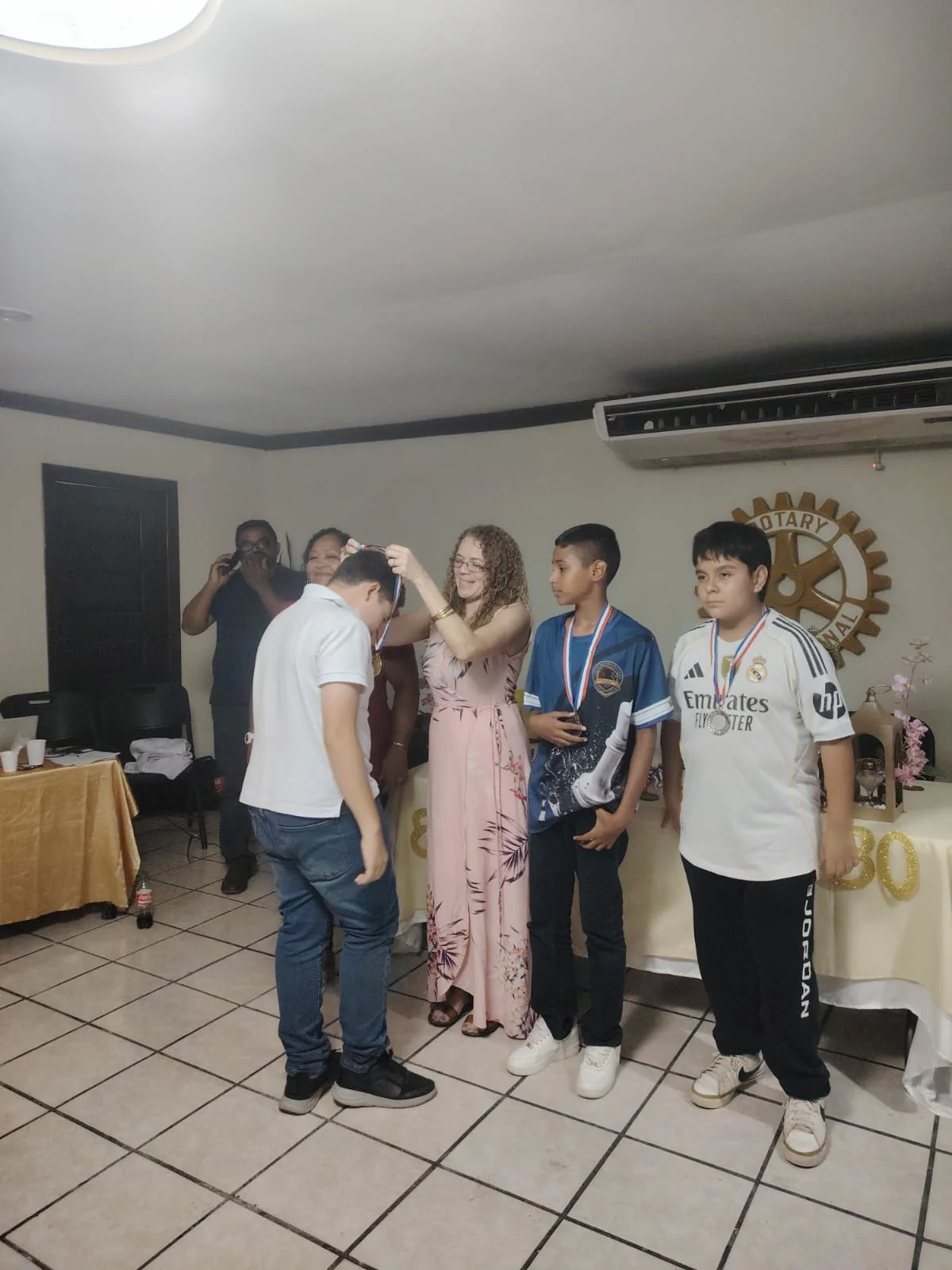
Diego VallecilloGold medal · High School
Zoe CabreraGold medal · Individual girls · La Ceiba Bilingual Schools Tournament
María José SantosSilver medal · Individual girls · La Ceiba Bilingual Schools Tournament
Elías ManunOutstanding tournament participation
National tournaments

Brassavola competes on increasingly demanding stages.

National and regional events allow our students to represent the school, measure their preparation and gain competitive experience beyond La Ceiba.

Our most prestigious tournament to date
National Bilingual Schools Tournament

National Bilingual Schools Chess Tournament

The most prestigious chess competition Brassavola has participated in. The school has attended twice; the second participation was in 2026 with Middle School, High School and individual girls competition.

2 Brassavola appearances Second appearance: 2026 Middle School High School Individual girls category
CODICADER

CODICADER Tournament

At the regional stage held in Tela, Brassavola qualified María José Santos and Zoe Cabrera.

Government-organized competition Tela, Honduras 2 Brassavola qualifiers María José Santos Zoe Cabrera
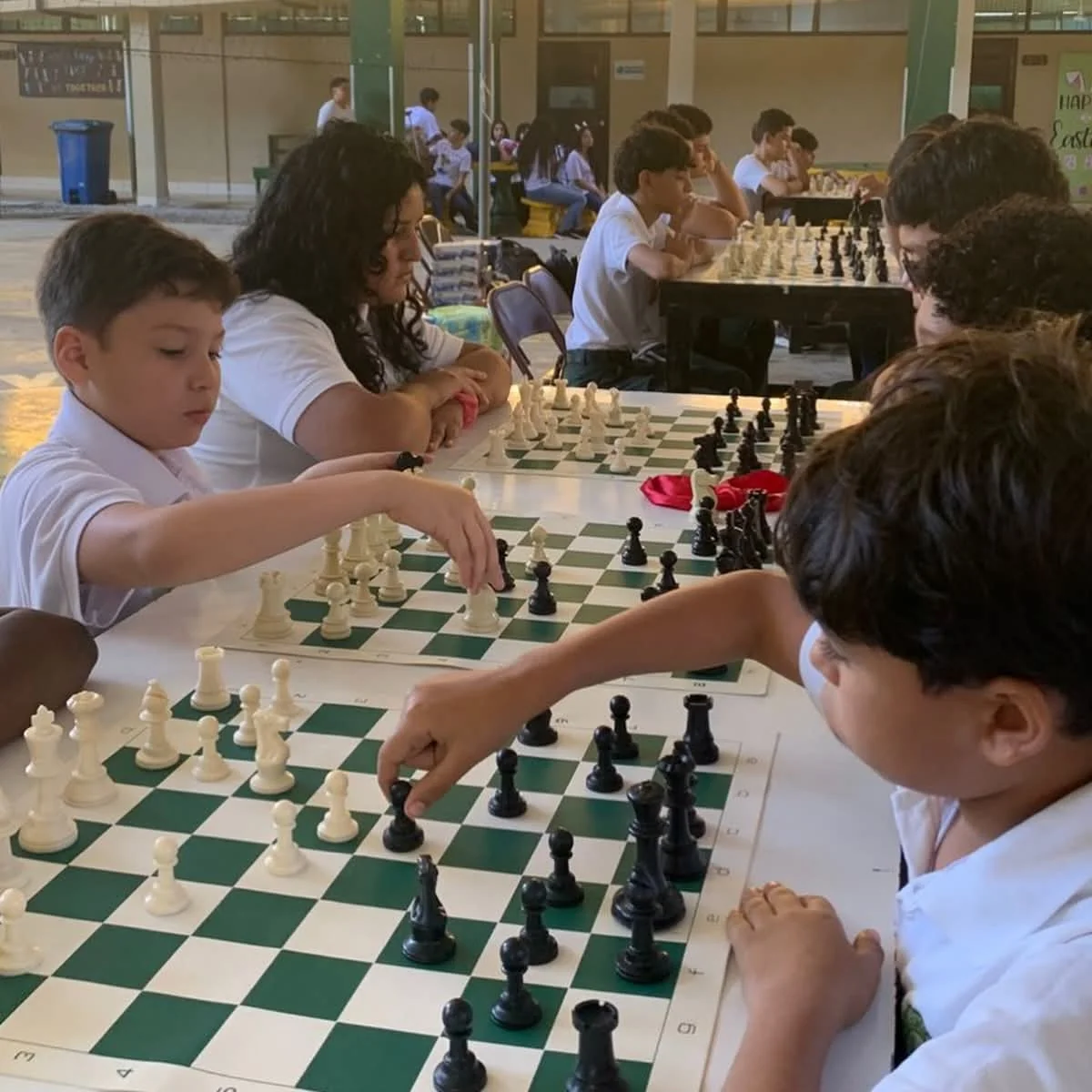
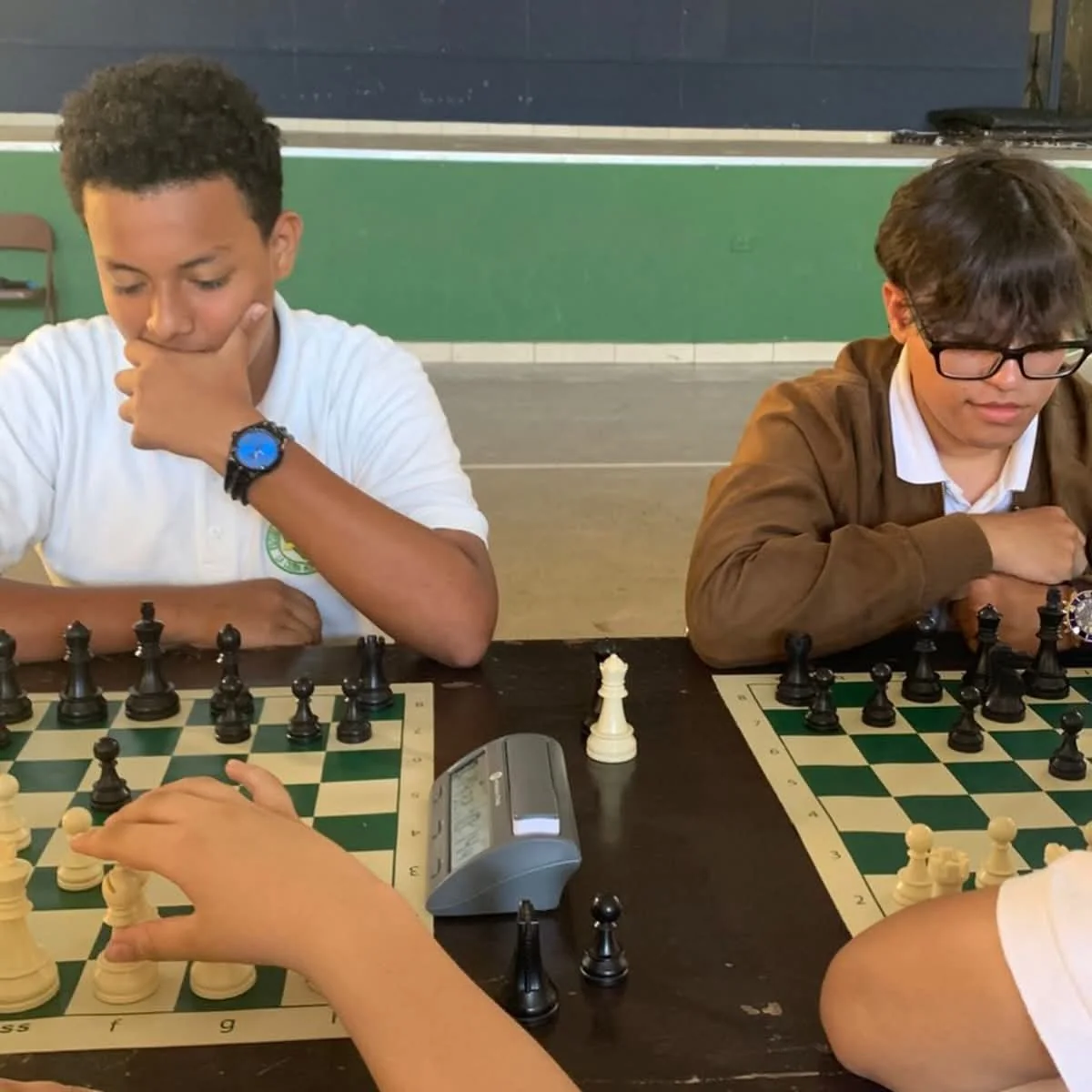
Chess in action

Concentration becomes competitive experience.

Students practice, play and represent Brassavola in an environment that rewards patience, analysis and disciplined decisions.
How learning begins

The goal is not only to win. It is to make a better decision next time.

Students begin with rules and simple patterns, then move into puzzles, complete games and post-game analysis.

1
Learn the rulesPiece movement, board awareness and responsible play.
2
Solve positionsShort puzzles train calculation, pattern recognition and alternatives.
3
Play, review, improveA finished game becomes material for the next learning opportunity.
Skills beyond the board

Every move trains the ability to think ahead.

Chess develops concentration, planning, patience, problem solving, resilience after mistakes and confidence in decision-making—skills that extend well beyond competition.
View Academic Teams