Electronics
Circuits, components, sensors, motors and control.
A curricular pathway from Grade 4 through Grade 11 integrating electronics, mechanics, programming and real projects.
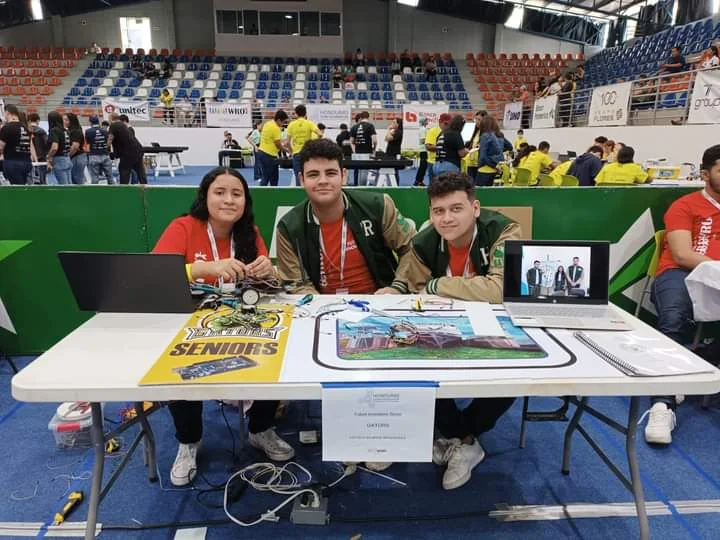
Students learn by creating: designing, connecting, programming, testing and improving prototypes.
Students begin Robotics in Grade 4 and continue through Grade 11, advancing through increasingly challenging projects.
Every project connects three areas that are essential to modern robotics. Students learn to understand the circuit, build the physical system and write the instructions that make the robot respond.
Circuits, components, sensors, motors and control.
Structures, movement, assembly and physical problem solving.
Logic, algorithms, automation and robot behavior.
Learning includes components, connections, basic electricity, sensors and electronics practice.
Robotics at Brassavola also includes basic electronics. Students learn the electrical principles behind the sensors, motors and controllers they later use in their projects.
The goal is not to memorize formulas in isolation, but to understand what is happening inside a real circuit: why current flows, how voltage creates electrical potential, how resistance limits current and how materials conduct or insulate electricity.
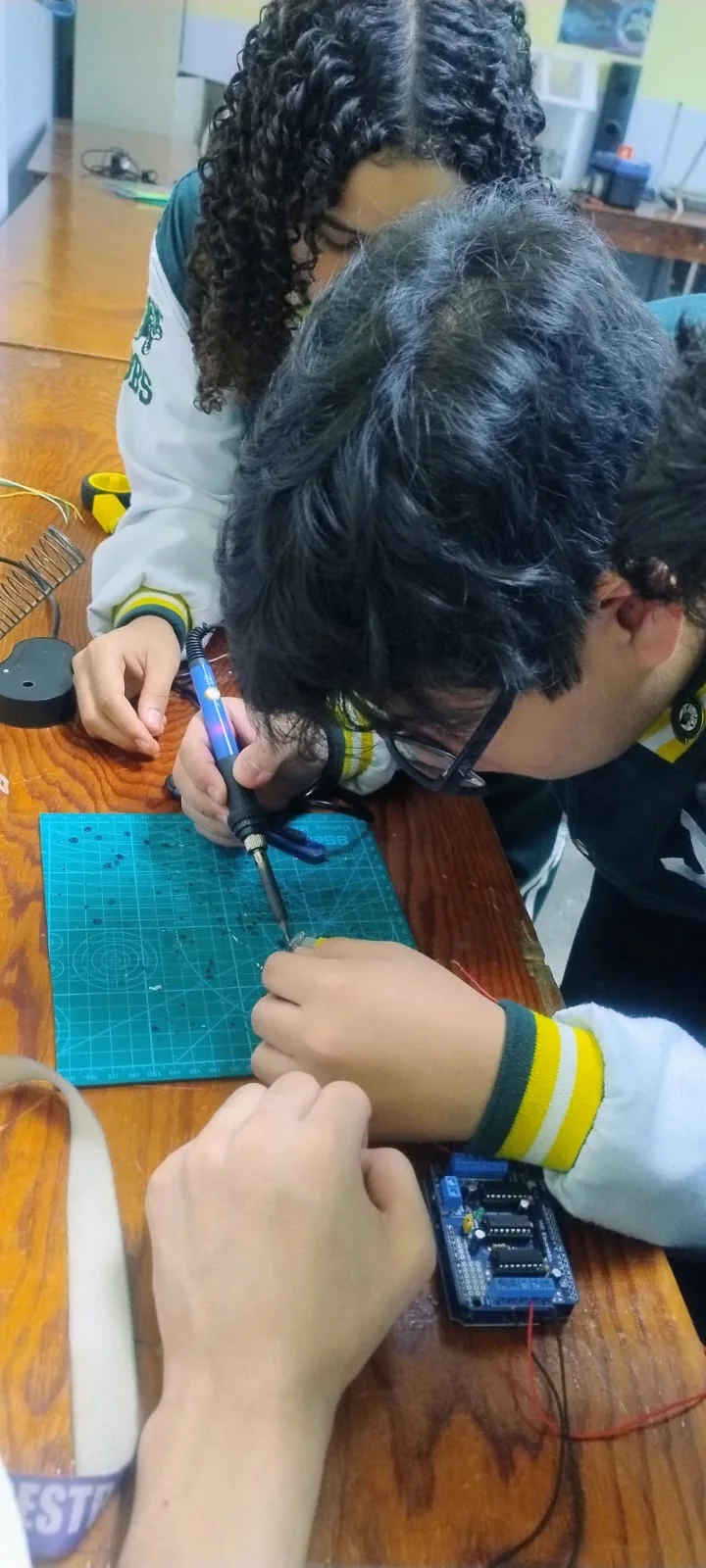
The challenge increases progressively from visual robotics to Arduino, sensors and applied programming.
The tools change as students advance. Younger learners begin with friendly visual robotics platforms, then move into assembly, sensors and more demanding programming before building their own electronic systems.
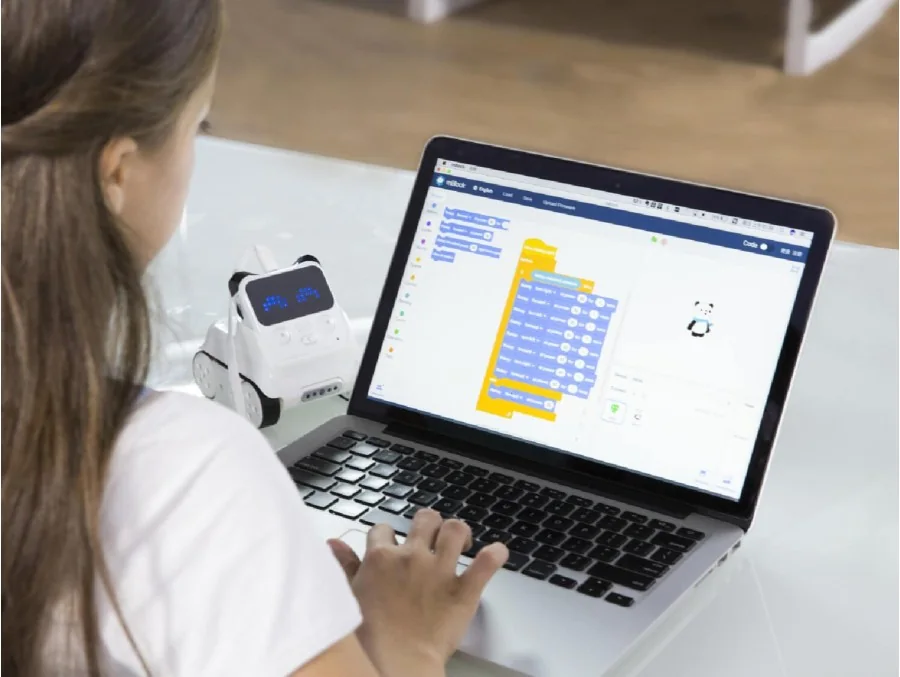
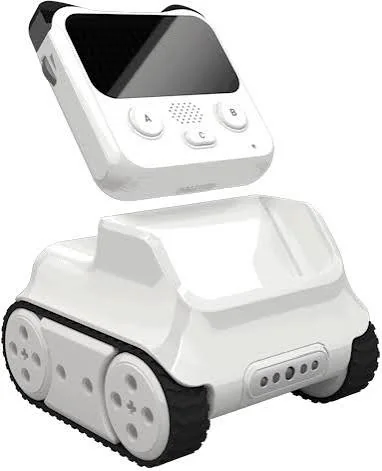
For younger students, Codey Rocky makes programming tangible and visual. They can begin with drag-and-drop blocks, explore sensors and robot behavior, and progressively move toward Python.
Makeblock · Codey Rocky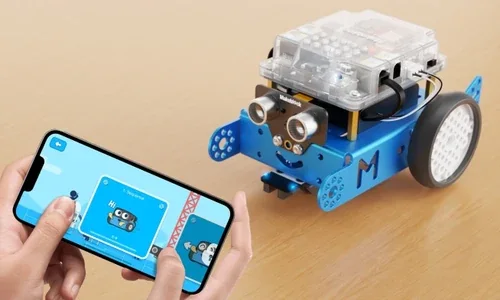
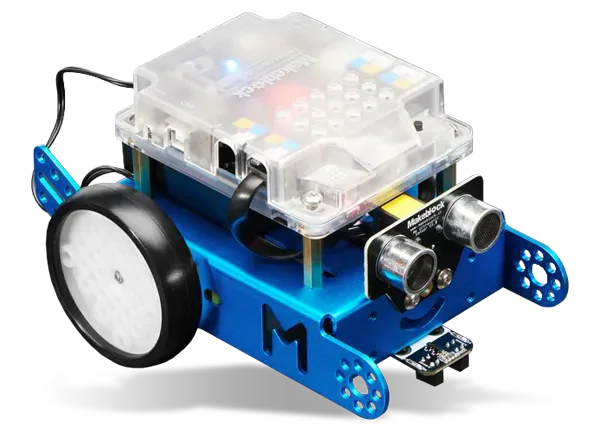
mBot brings mechanics, electronics and programming into one platform. Students assemble the robot, work with ultrasonic and line-following sensors, and can progress from visual programming in mBlock to Arduino-based programming.
CreativaKids · mBot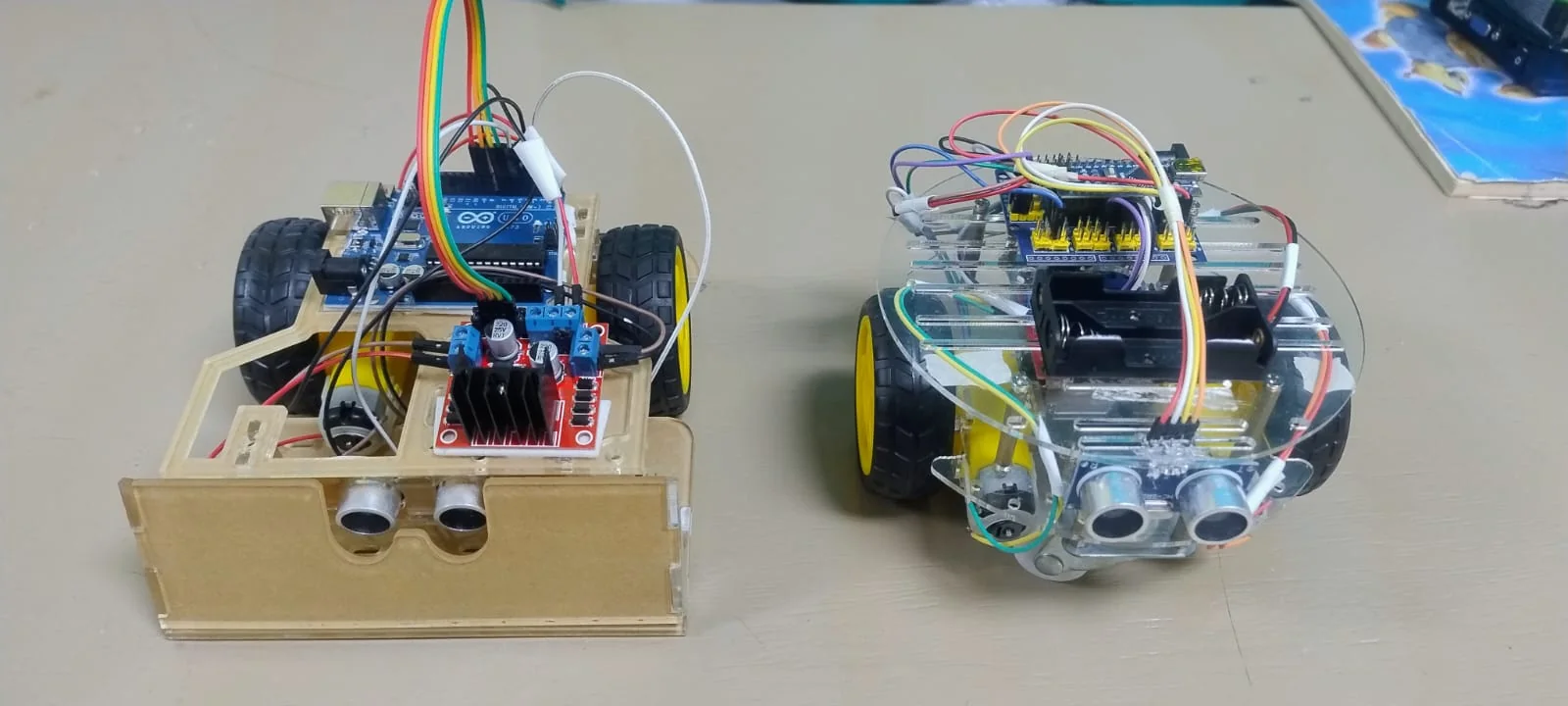
As projects become more advanced, students use Arduino-compatible boards to connect sensors, motors and electronic modules, write logic based on C/C++, troubleshoot circuits and create autonomous systems from the ground up.
Arduino · Official sitemBlock gives students a bridge from Scratch-style block programming to Python, while Arduino lets them deepen their understanding of physical computing and C/C++-based programming.
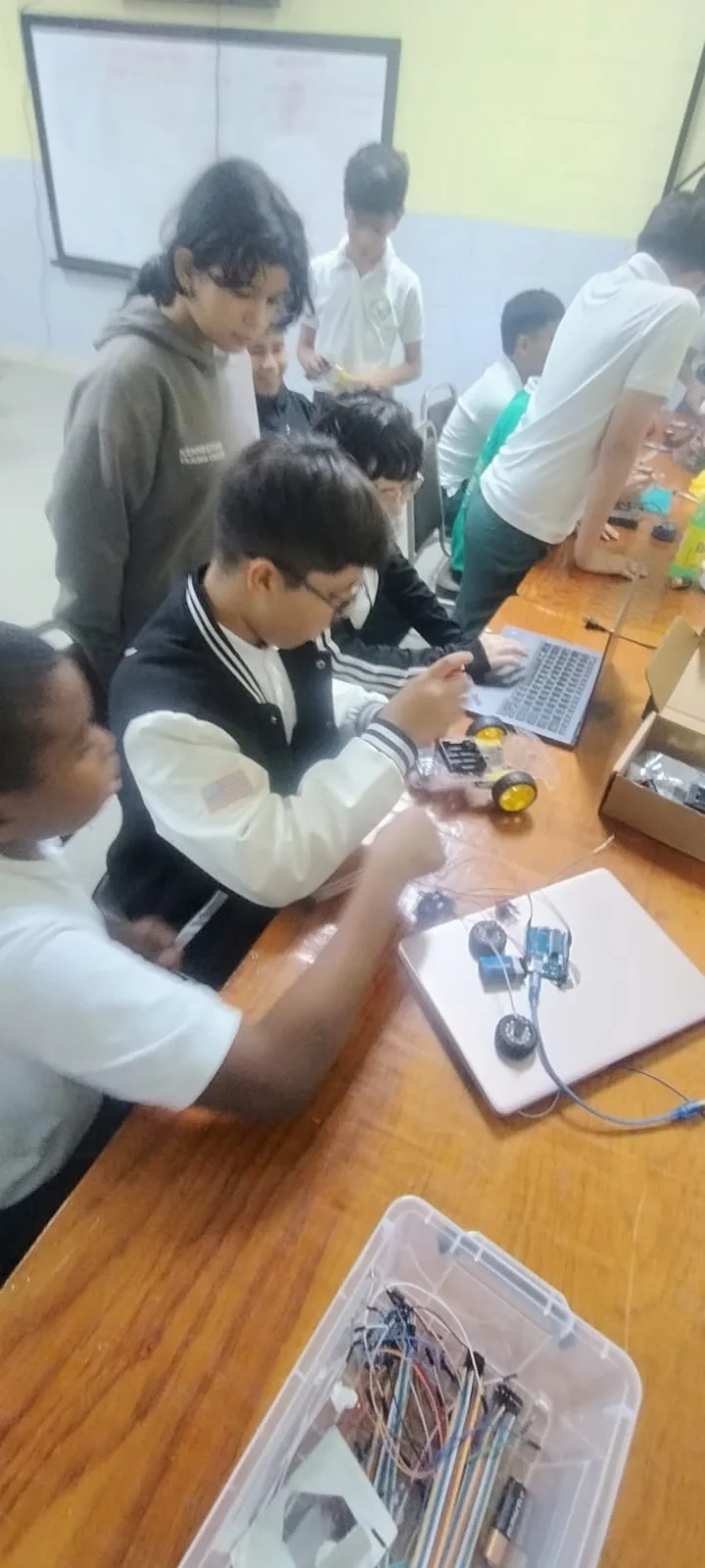
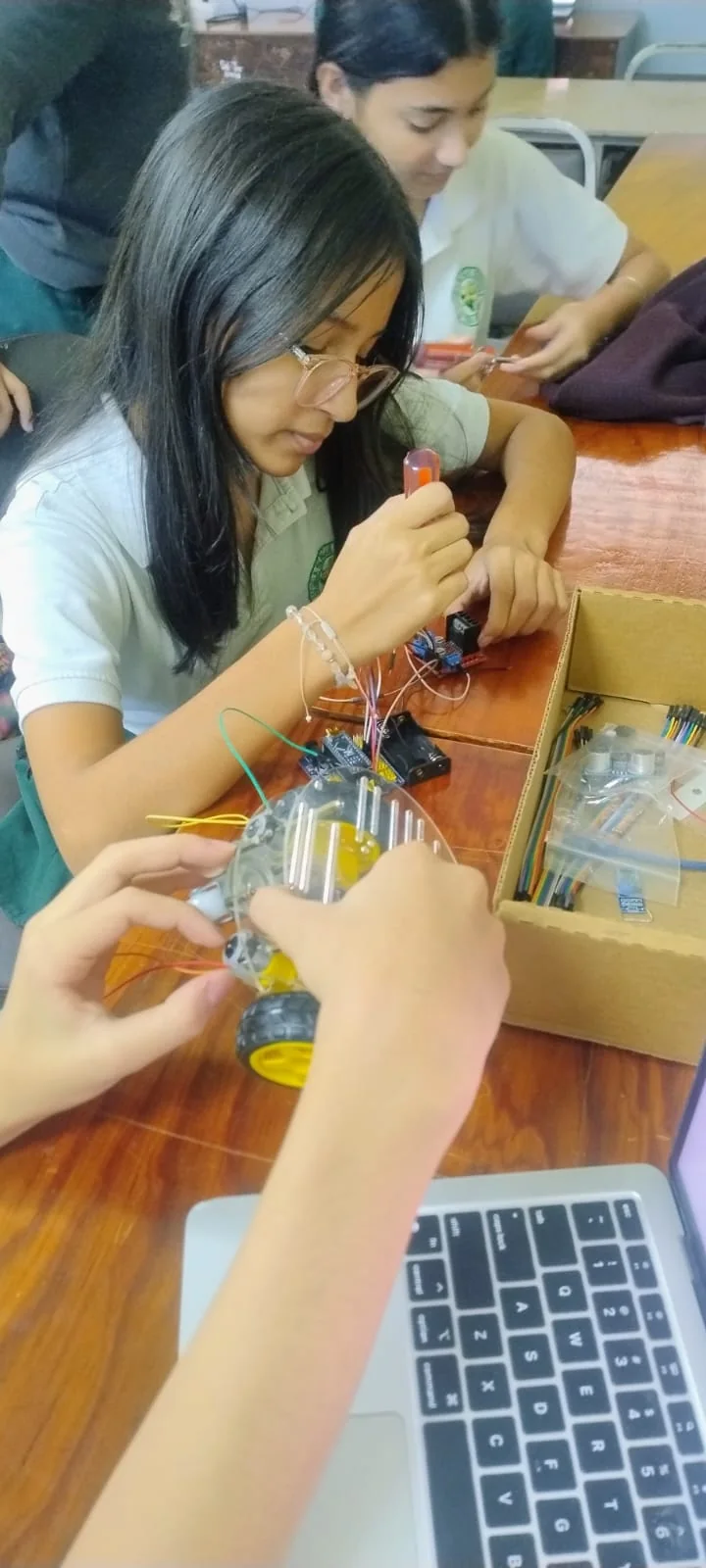
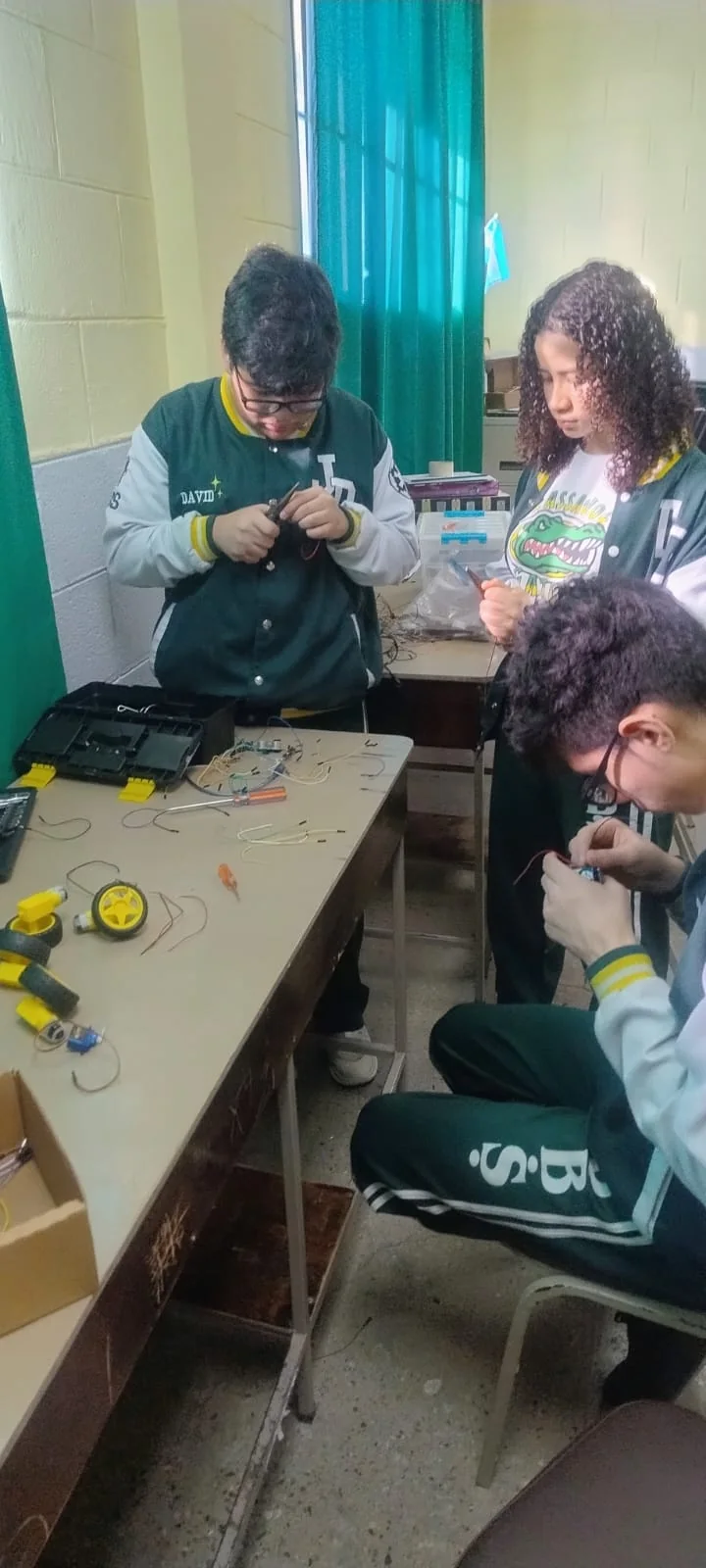
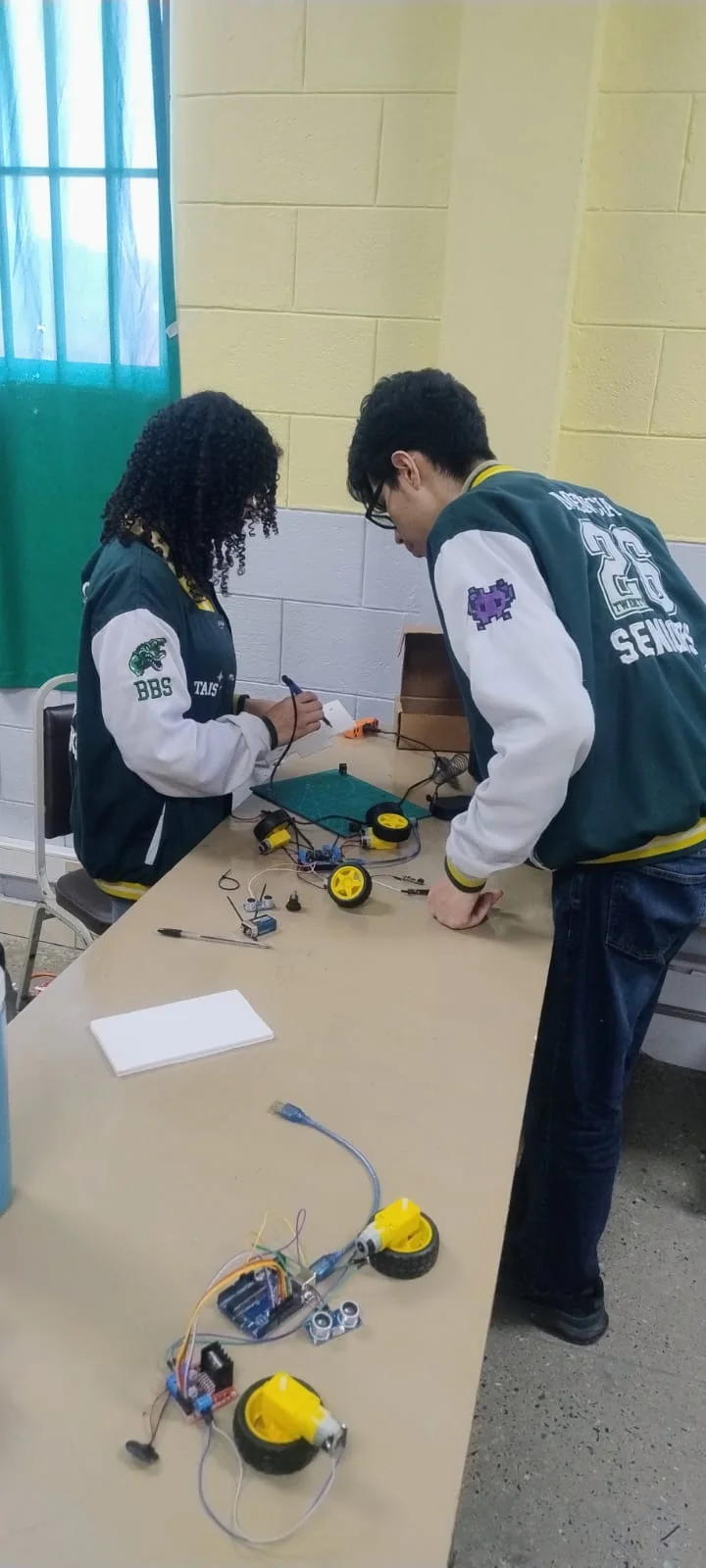
These are real classroom moments. Students work with components and tools, troubleshoot their own builds and improve them through testing.
 Official websitewrohonduras.org
WRO Honduras · 2023
Official websitewrohonduras.org
WRO Honduras · 2023
Brassavola participated in WRO Honduras 2023, turning preparation into a high-level competitive experience.
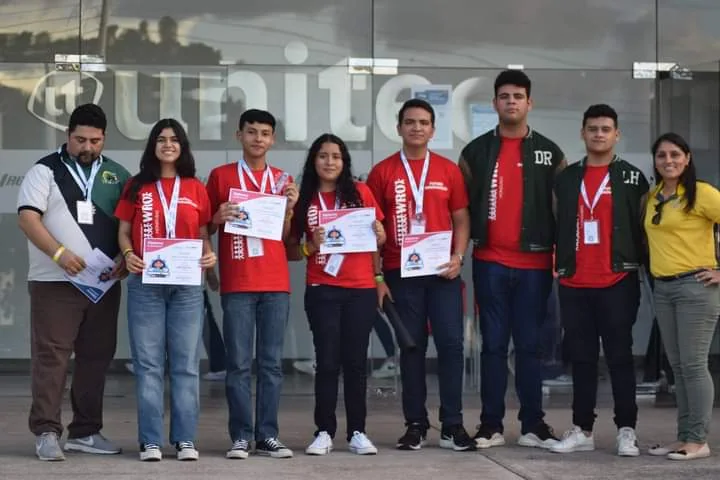
In 2023, Brassavola Bilingual School was represented for the first time at WRO Honduras, the World Robot Olympiad. The students in the red competition shirts formed the school’s 2023 Robotics Team.
Their participation marked an important milestone for the Robotics Program: the team earned 3rd place in the Future Innovators category.
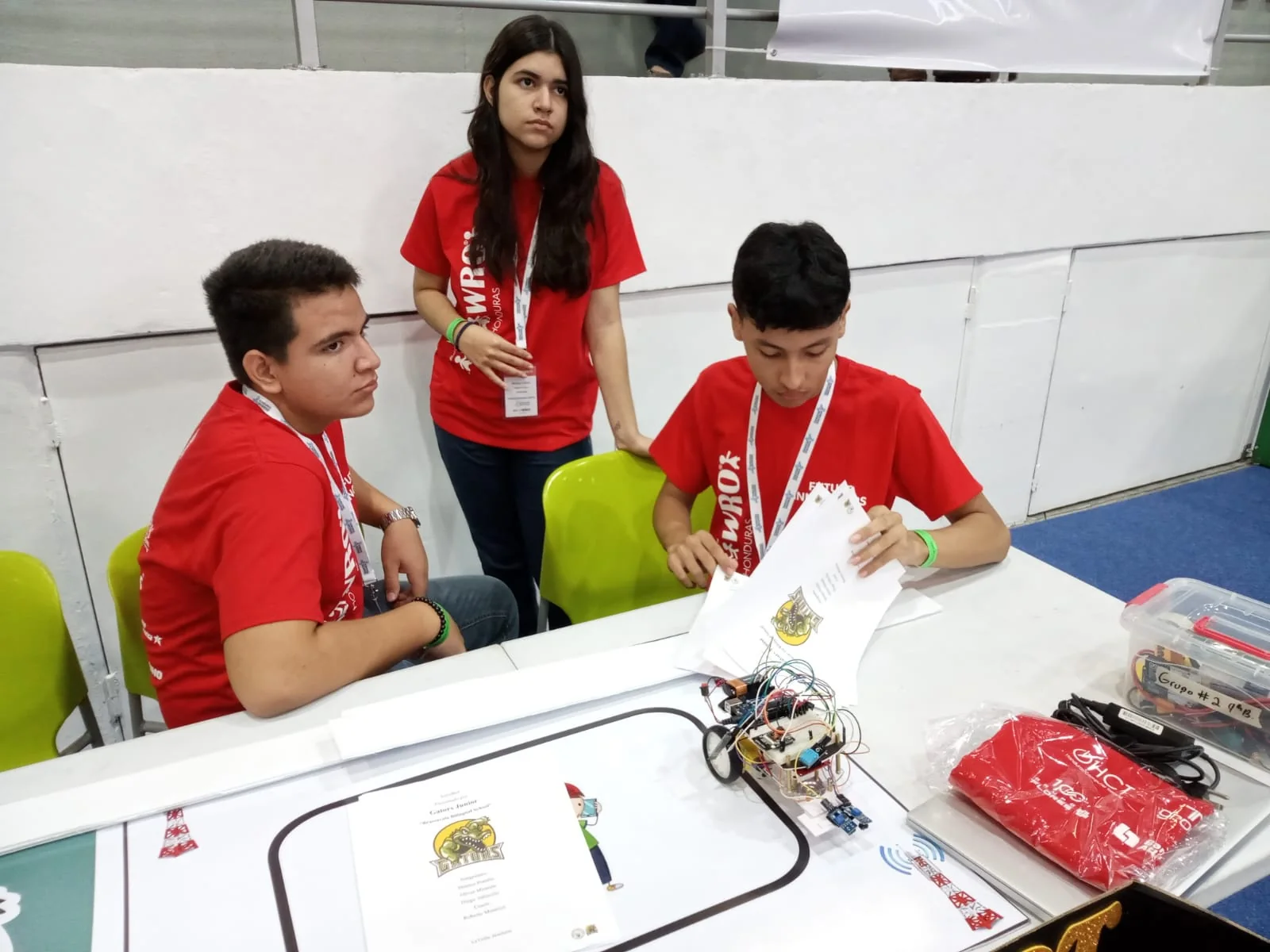
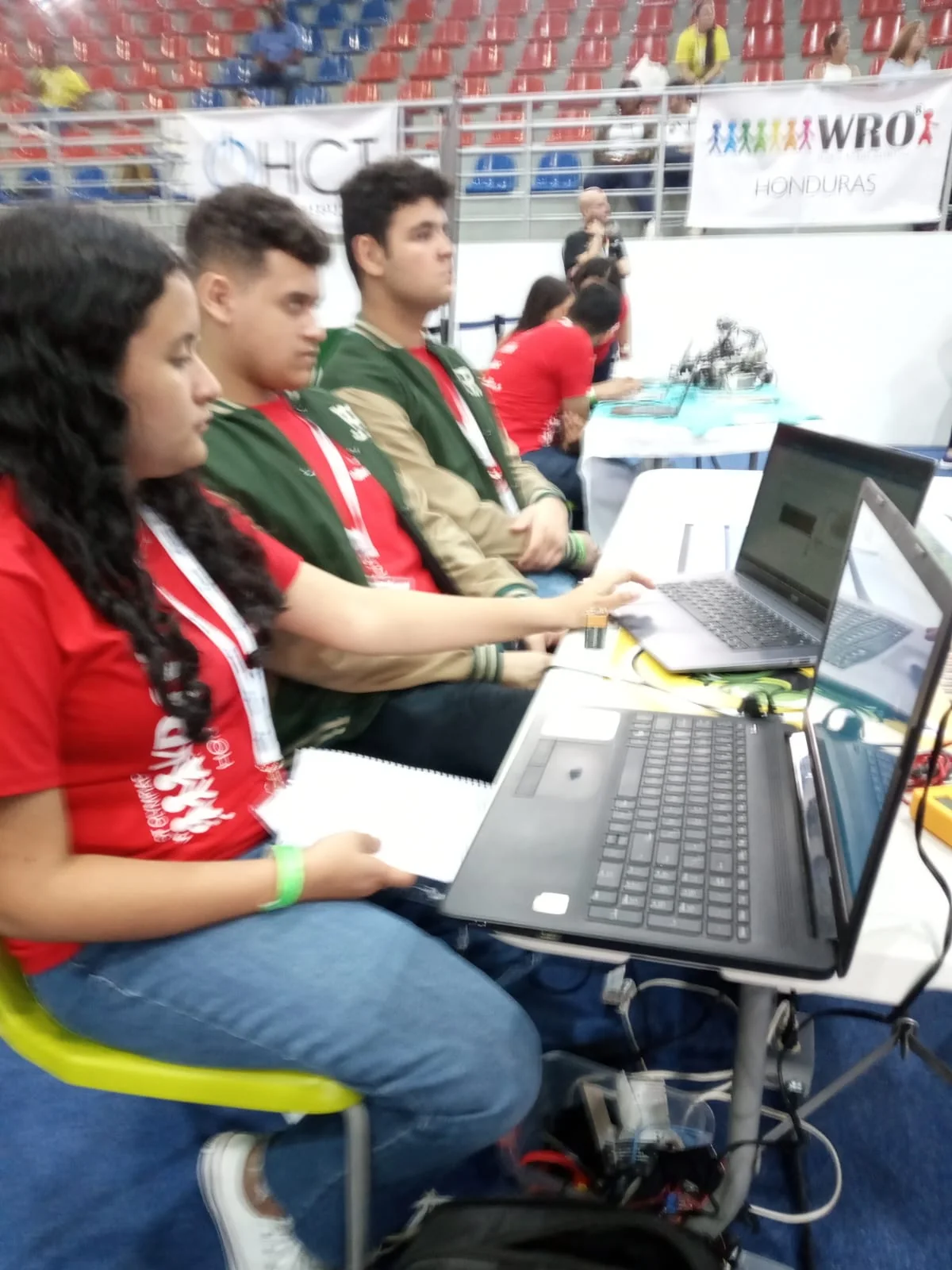
Different chassis, sensors, controllers and movement systems give students room to experiment, compare solutions and create robots with different capabilities.
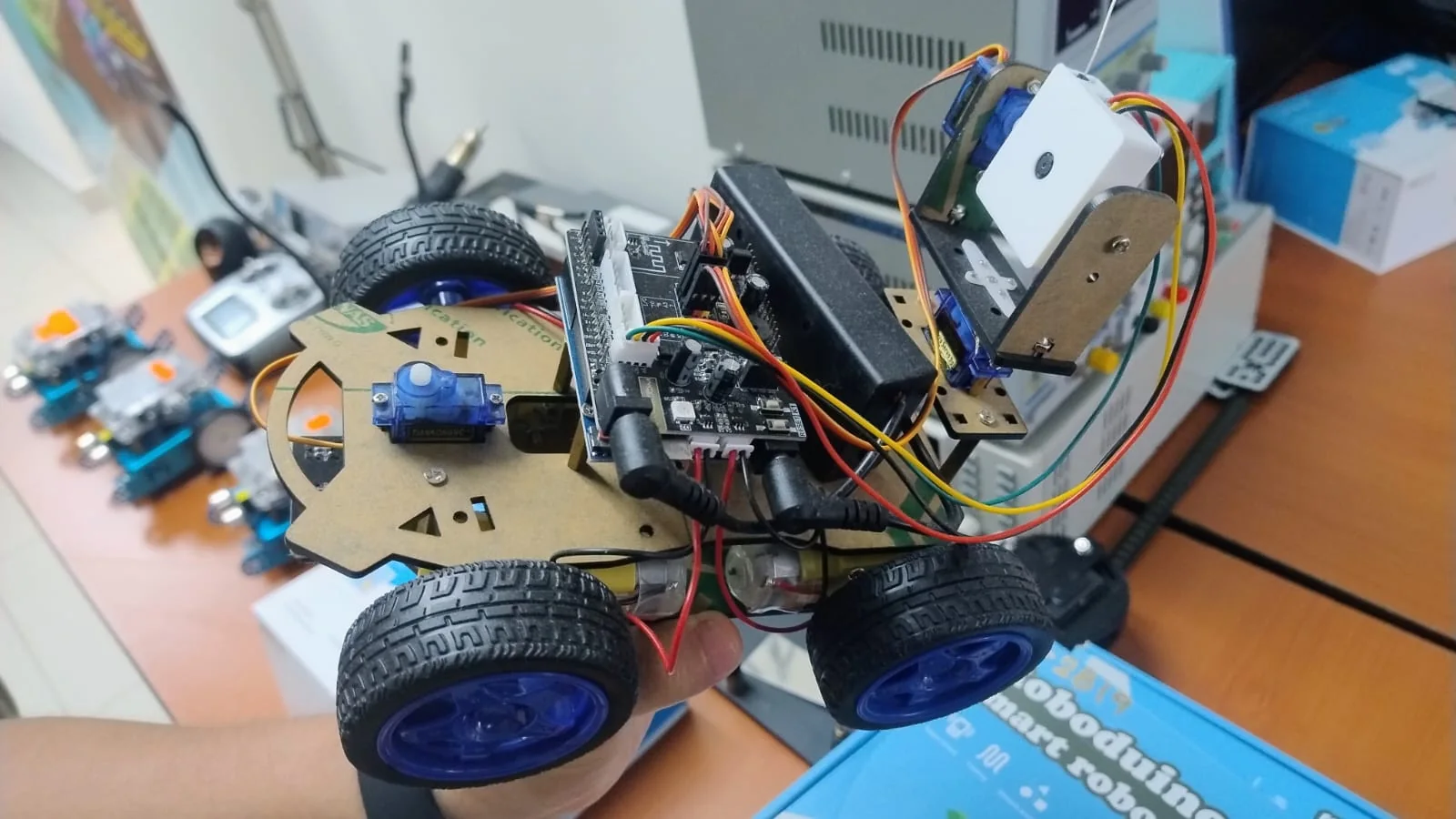
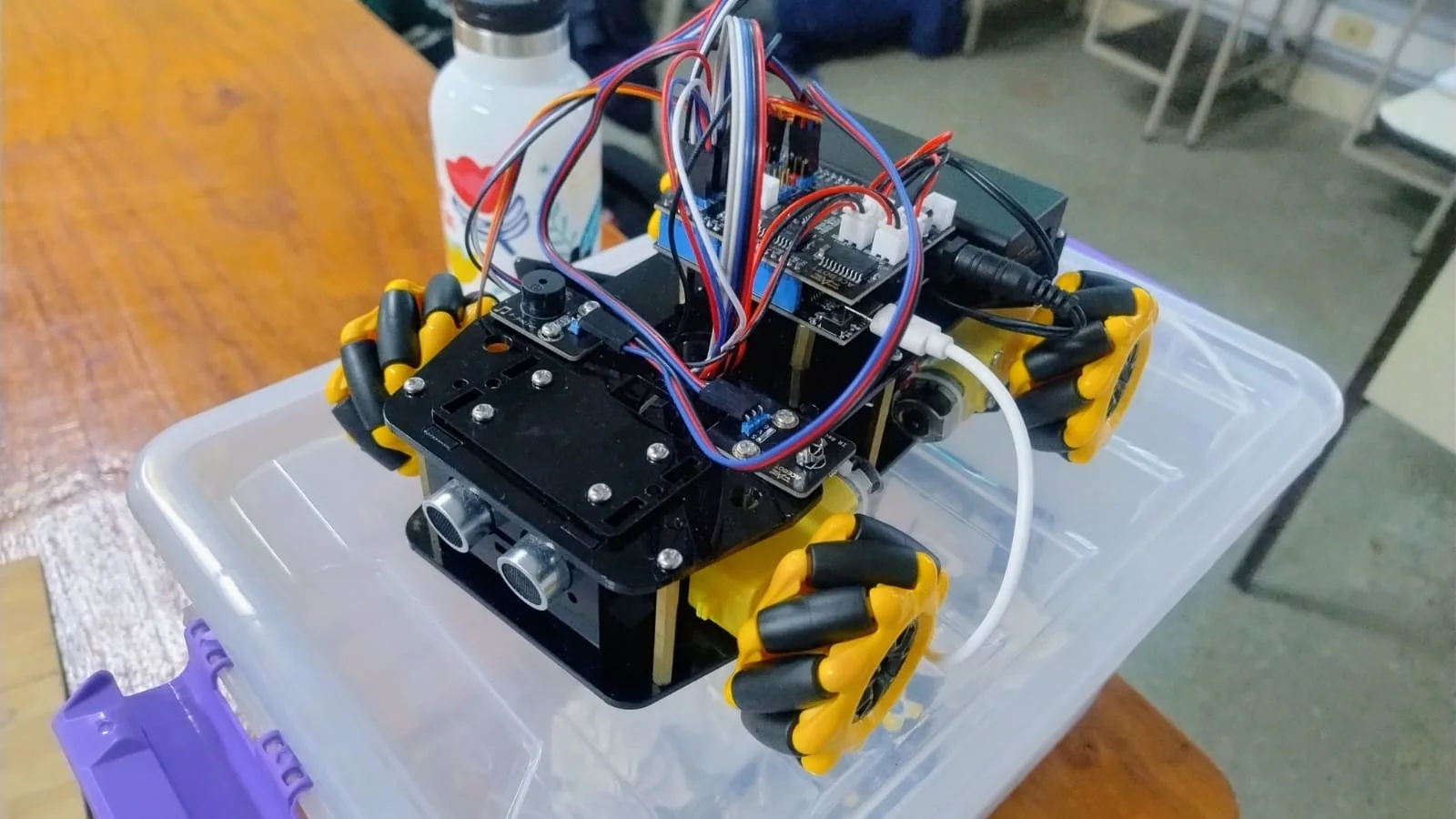
The goal is for students to understand technology and use it to solve problems and build solutions.
Robotics gives Brassavola students a place to turn ideas into solutions, learn from mistakes and gain confidence in their ability to design and build.